




What's Happening?
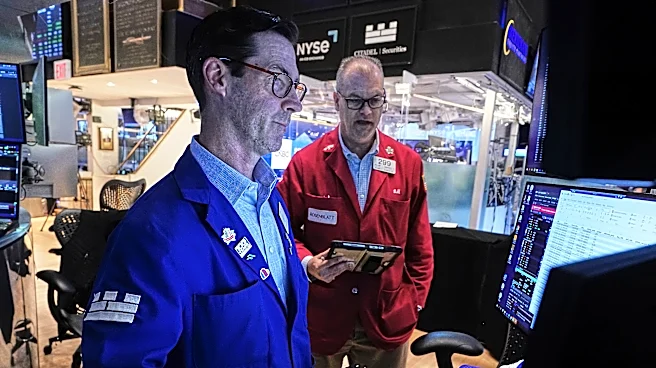
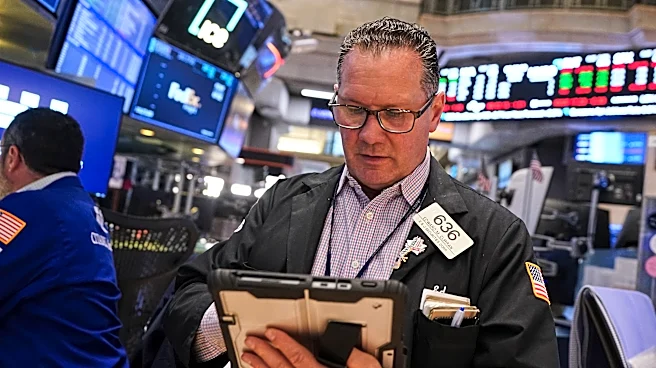
The U.S. stock market experienced significant volatility on June 3, 2026, as major indexes fell due to escalating tensions between the U.S. and Iran. The Dow Jones Industrial Average dropped 620.72 points, marking a 1.21% decline, while the S&P 500 and Nasdaq
Composite also saw decreases of 0.7% and 0.9%, respectively. This downturn ended a nine-day winning streak for the markets. The volatility was driven by rising oil prices following threats to the U.S.-Iran ceasefire and increased Treasury yields, which added pressure on stocks. Information technology stocks were particularly affected, declining by 1.52%. The renewed conflict has shifted investor focus back to the inflationary impacts of the war, with bond yields rising as a result.
Why It's Important?
The renewed tensions between the U.S. and Iran have significant implications for the U.S. economy and global markets. Rising oil prices, driven by geopolitical instability, can lead to increased inflationary pressures, affecting consumer prices and economic growth. Higher Treasury yields indicate investor concerns about inflation, which could lead to higher borrowing costs and impact economic activity. The stock market's reaction reflects broader economic uncertainties, as investors weigh the potential for prolonged conflict and its effects on global supply chains and energy markets. The situation underscores the interconnectedness of geopolitical events and economic stability, highlighting the need for careful monitoring by policymakers and investors.
What's Next?
The ongoing U.S.-Iran tensions are likely to continue influencing market dynamics. Investors will be closely watching for any developments in diplomatic negotiations, as a resolution could stabilize markets and ease inflationary pressures. However, the potential for further escalation remains, which could exacerbate market volatility. Economic data, such as employment figures and inflation rates, will also play a crucial role in shaping investor sentiment and Federal Reserve policy decisions. The Fed's approach to interest rates, in response to inflationary trends, will be a key factor in determining the market's trajectory in the coming months.