




What's Happening?
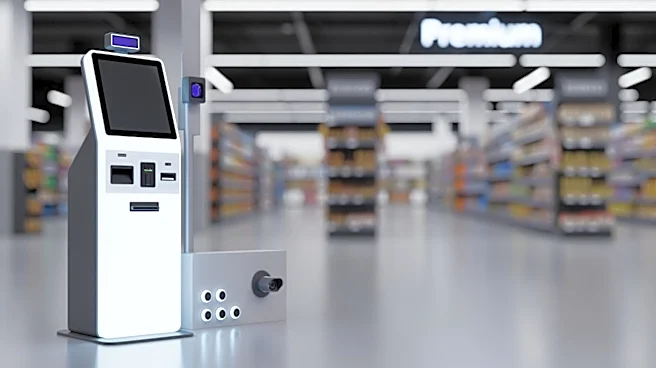
Walmart, Target, and Costco are making significant changes to their self-checkout systems in response to rising theft concerns. According to a recent report, these retailers have scaled back their self-checkout options, citing customer and associate feedback
as well as a desire to improve the checkout experience. However, analysts suggest that the primary driver behind these changes is the increase in shoplifting and checkout theft associated with self-checkout technology. A survey by Capital One revealed that while 86% of consumers use self-checkout machines, theft incidents increase by up to 65% compared to traditional checkout methods. Despite these challenges, the North American self-checkout systems market is projected to grow significantly, from $2.54 billion in 2025 to over $5 billion by 2030. Retail tech experts, like Bill Miller from GK Software USA, argue that self-checkout remains too valuable to abandon and propose that artificial intelligence could address the theft issues effectively.
Why It's Important?
The adjustments made by major retailers like Walmart, Target, and Costco highlight the ongoing challenges and opportunities within the retail sector regarding self-checkout technology. The increase in theft incidents poses a significant financial risk to these companies, potentially affecting their bottom lines and operational efficiency. By scaling back self-checkout options, these retailers aim to mitigate losses and improve customer satisfaction. However, the potential for artificial intelligence to enhance security and reduce theft could revolutionize the retail checkout experience, offering a balance between convenience and security. This development is crucial for the retail industry as it navigates the complexities of integrating technology while maintaining profitability and customer trust.
What's Next?
Retailers are likely to continue exploring technological solutions to address the challenges posed by self-checkout systems. The implementation of AI-driven security measures could become more widespread, as companies seek to reduce theft without sacrificing the convenience that self-checkout offers. Additionally, retailers may experiment with alternative checkout technologies, such as RFID systems, to further streamline the process and enhance security. The success of these initiatives will depend on their ability to effectively balance customer convenience with the need for robust security measures.