






What's Happening?
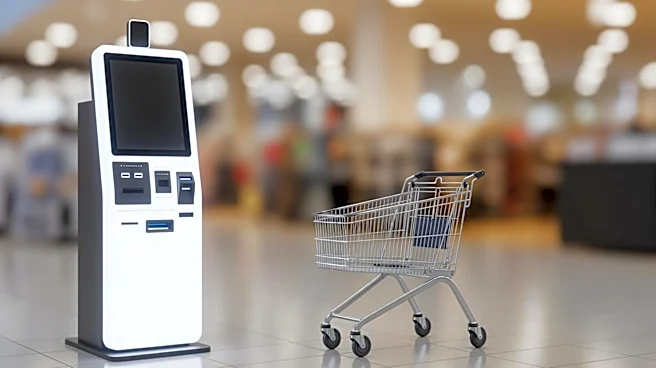
Self-checkout machines in grocery stores are facing legislative scrutiny across several U.S. states and cities. The proposed bills aim to limit the use of these machines, ostensibly to reduce retail theft. However, the underlying motivation appears to be
the creation of more unionized jobs. States like Connecticut and Ohio, along with cities in California and New York City, are considering or have already implemented restrictions on self-checkout lanes. These measures often require a specific ratio of employees to self-checkout machines and mandate impact assessments for technology that could affect job functions. Labor unions, including the AFL-CIO and the United Food and Commercial Workers, are major proponents of these bills, advocating for increased employment in the grocery sector, which traditionally has higher unionization rates.
Why It's Important?
The push to restrict self-checkout machines highlights a significant intersection of labor interests and technological advancement in the retail industry. While the stated goal is to curb theft, the real impact could be an increase in unionized jobs, as more clerks would be needed to meet legislative requirements. This development could strengthen labor unions' influence in the grocery sector, potentially leading to better wages and working conditions for employees. However, it also raises questions about the balance between technological efficiency and job preservation. Retailers, who are directly affected by theft, may resist these changes, arguing that they can manage theft through other means, such as advanced technology and strategic staffing.
What's Next?
As these legislative efforts continue, the response from major grocery retailers will be crucial. Companies like Walmart and Target have already adjusted their self-checkout strategies, and further changes could follow if these bills pass. The ongoing debate may also prompt technological innovations aimed at reducing theft without eliminating self-checkout options. Additionally, the outcome of these legislative efforts could set a precedent for other retail sectors, influencing how technology and labor interests are balanced in the future.