



What's Happening?
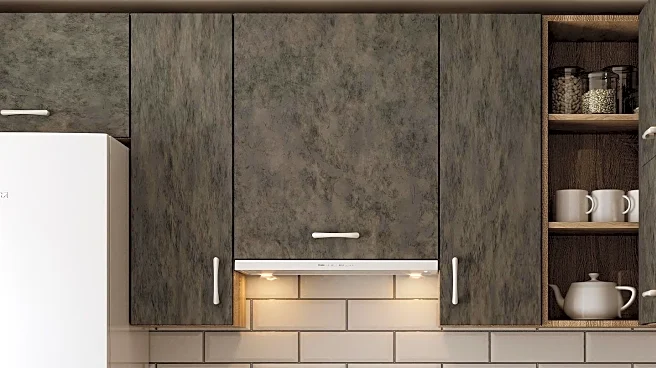
Michael Quatela, a cabinetry expert from Craftworks Custom Cabinetry in Rochester, NY, provides guidance on when homeowners should consider upgrading their cabinets. According to Quatela, signs that indicate the need for a cabinet upgrade include physical damage, outdated design, and lack of functionality. Cabinets that are warped, chipped, or difficult to operate may require replacement. Additionally, design elements that no longer match current tastes or fail to support daily routines can prompt a need for change. Quatela emphasizes that cabinet upgrades can enhance both the appearance and usability of storage spaces, making them more efficient and aligned with modern living.
Why It's Important?
Cabinet upgrades are significant for homeowners looking to improve
the functionality and aesthetics of their living spaces. By addressing issues such as physical damage and outdated design, homeowners can enhance the value and appeal of their homes. Upgraded cabinets can also improve storage efficiency, making daily routines more convenient and organized. This is particularly important for growing families or those adapting to new lifestyles, such as working from home. The insights provided by Quatela highlight the importance of thoughtful design in creating functional and visually appealing living environments.
What's Next?
Homeowners considering cabinet upgrades should assess their current storage needs and design preferences to determine the best approach. Consulting with cabinetry experts can provide valuable insights into the latest trends and materials, ensuring that upgrades meet both functional and aesthetic goals. As more homeowners seek to modernize their living spaces, there may be increased demand for custom cabinetry solutions that offer personalized design and functionality.
Beyond the Headlines
The trend towards upgrading home cabinets reflects a broader interest in home improvement and personalization. This shift may drive innovation in the cabinetry industry, with manufacturers developing new materials and designs to meet evolving consumer preferences. Culturally, it underscores the importance of creating living spaces that are both functional and reflective of individual style, contributing to a sense of comfort and well-being in the home.