



What's Happening?
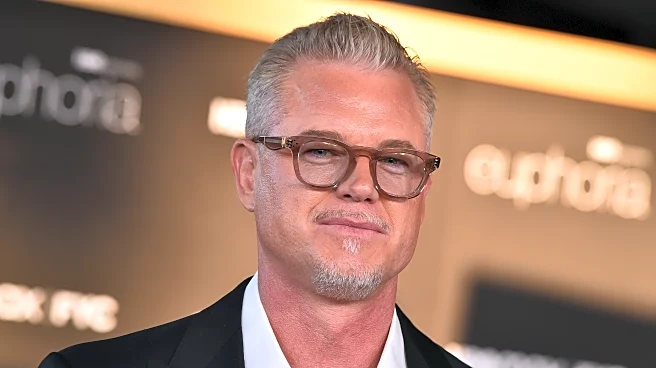
Netflix has released the second episode of its docuseries 'Famous Last Words,' featuring a posthumous interview with actor Eric Dane. The series, inspired by a Danish show, records interviews with notable figures, releasing them only after their deaths. Dane, known for his role as 'McSteamy' on 'Grey's Anatomy,' passed away at age 53 after battling ALS, a diagnosis he announced in April 2025. The episode captures Dane in a wheelchair, sharing personal reflections and leaving messages for his daughters. The series aims to provide a platform for individuals to share their final thoughts and experiences, with Brad Falchuk hosting and co-producing alongside Mikkel Bondesen.
Why It's Important?
The release of Eric Dane's episode in 'Famous Last Words' highlights the
emotional impact of ALS and the importance of legacy. By sharing his story, Dane offers insight into the challenges faced by those with terminal illnesses, emphasizing the significance of family and personal reflection. The series itself provides a unique opportunity for audiences to connect with public figures on a deeper level, fostering empathy and understanding. It also raises awareness about ALS, potentially influencing public interest and support for research and advocacy. The show's format, releasing interviews posthumously, adds a poignant layer to the storytelling, making it a compelling watch.
What's Next?
As 'Famous Last Words' continues, viewers can anticipate more episodes featuring other notable figures, though their identities remain confidential until release. The series may prompt discussions on the ethical considerations of posthumous content and the impact of such narratives on audiences. Netflix's approach could inspire similar projects, exploring the intersection of media, legacy, and personal storytelling. The show's success may lead to increased interest in documenting personal histories, encouraging individuals to reflect on their lives and share their stories.
Beyond the Headlines
The series raises questions about the ethics of posthumous storytelling and the responsibilities of media producers in handling sensitive content. It challenges traditional narratives by focusing on the personal reflections of individuals facing mortality, offering a platform for candid discussions about life, death, and legacy. This approach may influence cultural perceptions of death and dying, encouraging more open conversations about these topics. Additionally, the series could impact how public figures choose to document their lives, considering the potential for posthumous release.