


What's Happening?
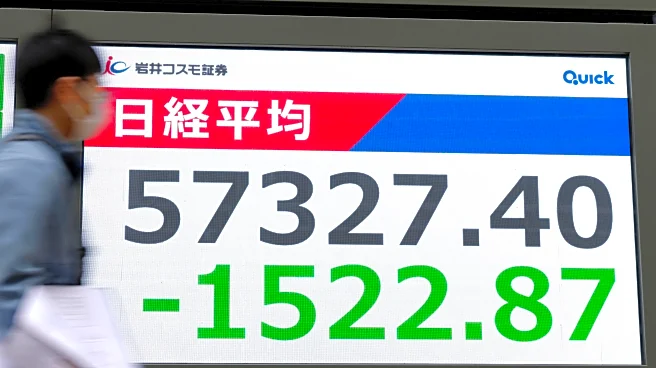
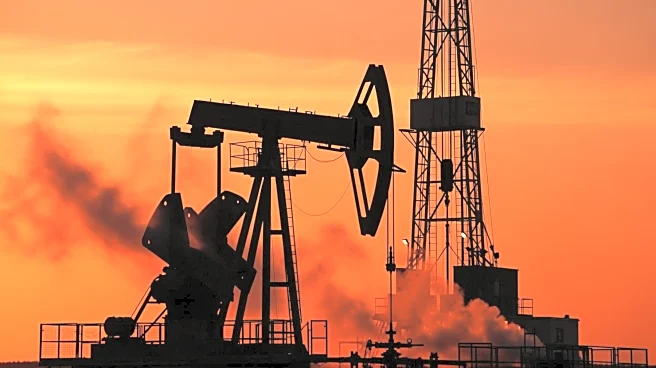
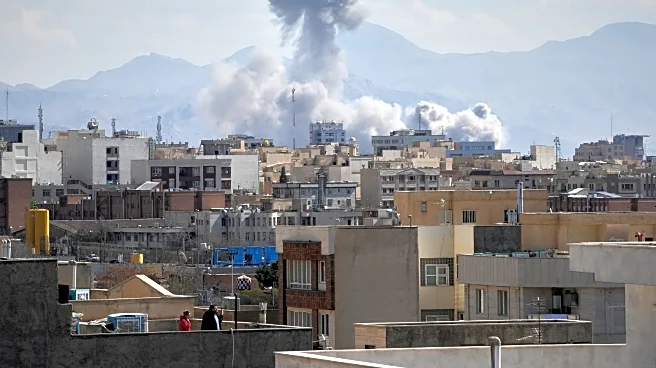
Crude oil prices have surged while equity markets have declined following military strikes by the U.S. and Israel on Iran. The strikes have led to retaliatory actions by Tehran, affecting countries across the Middle East. This development has caused significant
volatility in global markets, with traders closely monitoring the situation. The geopolitical tensions have raised concerns about potential disruptions in oil supply, contributing to the spike in crude prices. The market's reaction highlights the sensitivity of global financial systems to geopolitical events, particularly in regions critical to energy production.
Why It's Important?
The increase in crude prices and the decline in equity markets underscore the interconnectedness of global economies and the impact of geopolitical tensions on financial stability. For the U.S., these developments could have far-reaching implications for energy policy, inflation, and economic growth. Higher oil prices may lead to increased costs for consumers and businesses, potentially affecting economic recovery efforts. Additionally, the situation could influence U.S. foreign policy and defense strategies, as the government navigates the complexities of international relations in the Middle East.
What's Next?
As the situation unfolds, market participants will be closely watching for further developments and potential diplomatic responses. The U.S. government may need to engage in diplomatic efforts to de-escalate tensions and stabilize markets. Additionally, energy companies and investors will be assessing the impact on oil production and supply chains. The outcome of these events could shape future U.S. energy policies and international relations, particularly with key allies and adversaries in the region.