
What's Happening?
Researchers from the University of Sydney have conducted a study indicating that dietary changes can slow the aging process within just one month. The study involved 104 participants aged 65-75, who were
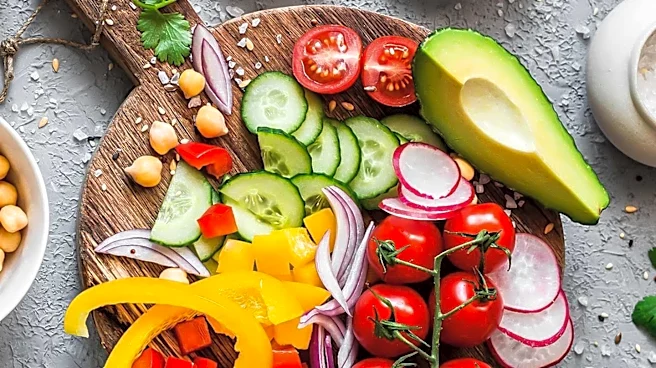
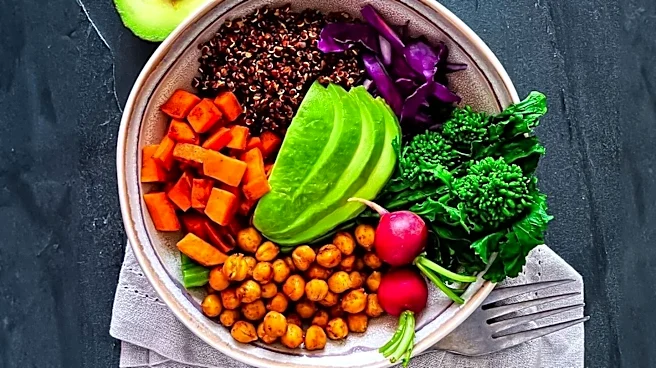
assigned to one of four different diets. These diets varied in their protein sources and macronutrient emphasis, with two being omnivorous and two semi-vegetarian. The omnivorous diets included both animal and plant proteins, while the semi-vegetarian diets derived 70% of their protein from plant sources. The study measured 20 biomarkers, such as cholesterol and insulin levels, to assess the impact of these diets on biological aging. Results showed that three of the four diet groups experienced a reduction in biological age, with the most significant improvements seen in diets rich in complex carbohydrates and plant-based components.
Why It's Important?
This study highlights the potential for dietary interventions to influence biological aging, which is a measure of health status and resilience rather than chronological age. The findings suggest that even short-term dietary changes can have a significant impact on health markers associated with aging. This could have broad implications for public health strategies aimed at improving the quality of life for older adults. By focusing on diets that emphasize plant-based components and complex carbohydrates, individuals may be able to enhance their health and potentially extend their lifespan. The study underscores the importance of nutrition in managing aging and suggests a shift towards more plant-based diets could be beneficial.
What's Next?
While the study provides promising results, the researchers caution that these findings are preliminary and represent short-term effects. Further research is needed to determine the long-term impact of dietary changes on aging and to establish definitive dietary guidelines. The research team plans to conduct additional studies to explore the mechanisms behind these changes and to confirm the potential for dietary interventions to extend life expectancy. As the scientific community continues to investigate, these findings may influence future dietary recommendations and public health policies.