
What's Happening?
Oscar Piastri, a driver for McLaren, has expressed that the team's position at the upcoming Australian Grand Prix may not reflect their ultimate success in the 2026 Formula 1 season. McLaren, the defending two-time constructors' champions, is facing a new
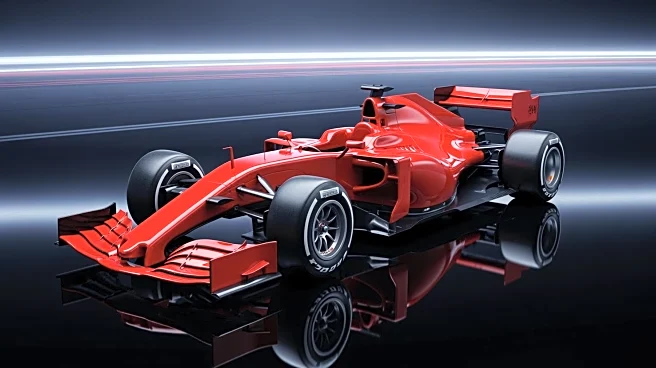
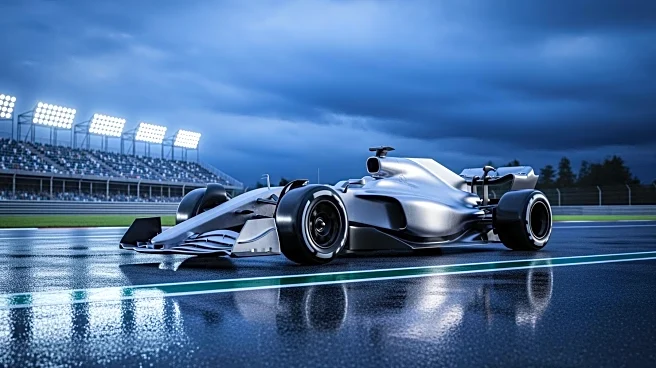
era of F1 regulations that include significant changes to car and engine designs. Piastri noted that while McLaren may not be as dominant as they were last year, the season's outcome will depend on ongoing development and adaptation to the new rules. The 2026 cars feature a near 50-50 split between internal combustion and electrical power, requiring drivers to adjust their strategies for energy management. Piastri remains confident in McLaren's engineering capabilities to adapt and compete effectively throughout the season.
Why It's Important?
The introduction of new regulations in the 2026 F1 season marks a significant shift in the sport, emphasizing sustainability and technological advancement. McLaren's ability to adapt to these changes will be crucial in maintaining their competitive edge. The team's performance will not only impact their standing in the championship but also influence their reputation and financial success. As F1 teams navigate these new rules, their strategies and innovations could set precedents for future seasons. The outcome of this adaptation process will be closely watched by stakeholders, including sponsors, fans, and the broader motorsport community.
What's Next?
As the season progresses, teams like McLaren will continue to refine their cars and strategies to optimize performance under the new regulations. The Australian Grand Prix will serve as an initial test of these adaptations, but the true measure of success will be seen in how quickly teams can innovate and improve. McLaren's engineering team is expected to play a pivotal role in this process, potentially leading to significant developments in car performance. The ongoing competition will likely drive further advancements in F1 technology, influencing the sport's future direction.