
What's Happening?
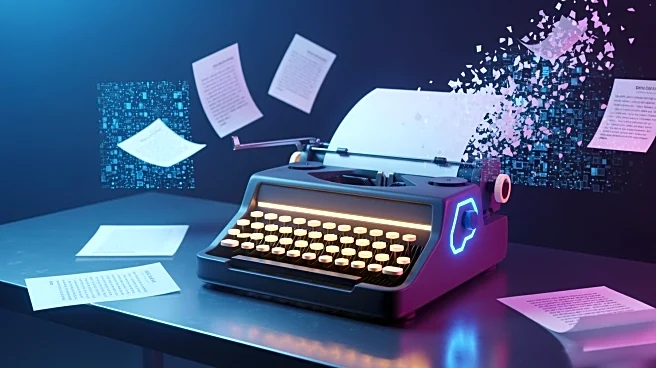
In recent developments, the Science Fiction and Fantasy Writers Association (SFWA) and San Diego Comic-Con have taken significant steps to ban the use of generative AI in their respective domains. SFWA updated its rules for the Nebula Awards to disqualify works created entirely or partially by large language models (LLMs). This decision followed backlash from the community after an initial rule change that allowed partial use of LLMs, which was met with criticism for potentially opening the door to AI-generated content. SFWA's Board of Directors issued an apology and revised the rules to exclude any work involving LLMs. Similarly, San Diego Comic-Con faced criticism for initially allowing AI-generated art to be displayed at its art show. After
complaints from artists, the rules were amended to prohibit AI-generated art entirely. These actions reflect a growing resistance within creative communities against the integration of AI in artistic and literary works.
Why It's Important?
The decisions by SFWA and Comic-Con highlight a significant cultural and ethical debate within creative industries about the role of AI in art and literature. By banning AI-generated content, these organizations are taking a stand to preserve human creativity and originality, which they argue are compromised by AI tools. This move could influence other organizations and events to adopt similar stances, potentially shaping the future of creative awards and exhibitions. The controversy also raises questions about the definition and boundaries of AI usage, as many digital tools incorporate AI components. The broader impact could affect how AI is perceived and utilized across various sectors, influencing policy and industry standards.
What's Next?
As the debate over AI in creative fields continues, it is likely that more organizations will review and possibly revise their policies regarding AI-generated content. This could lead to a broader industry-wide standardization of rules governing AI usage in creative works. Additionally, there may be increased dialogue and collaboration between artists, writers, and technologists to find a balance that respects both innovation and traditional creative processes. Stakeholders in the tech industry might also engage in discussions to address concerns and misconceptions about AI tools, potentially leading to new guidelines or educational initiatives.