







What's Happening?
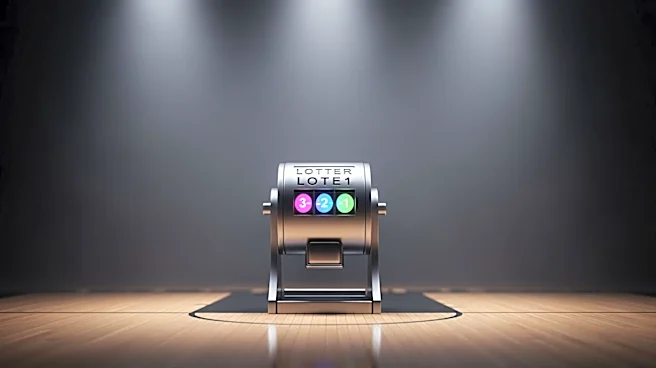
The NBA has introduced a '3-2-1 lottery' draft reform plan aimed at reducing tanking among teams. This proposal, shared with team general managers, is expected to be voted on by the league's owners on May 28. The reform would expand the draft lottery from
14 to 16 teams, altering the odds for securing the No. 1 overall pick. Under the new system, the bottom three teams would receive two lottery balls, while teams ranked fourth through tenth from the bottom would have the best odds with three balls each. Additionally, the ninth and tenth seeds in the play-in tournament would receive two balls, and the loser of the play-in games between the seventh and eighth seeds would earn one ball. The proposal also includes restrictions on how frequently teams can secure top picks, aiming to prevent consecutive No. 1 picks or more than three consecutive top-five picks. This reform is part of NBA Commissioner Adam Silver's efforts to address tanking, with provisions allowing the league to adjust a team's lottery odds if tanking is suspected.
Why It's Important?
This reform is significant as it addresses the ongoing issue of tanking, where teams deliberately lose games to secure higher draft picks. By altering the lottery odds, the NBA aims to create a more competitive environment and discourage teams from underperforming intentionally. This could lead to a more balanced league, where teams are incentivized to perform well throughout the season. The proposal's success could influence other sports leagues facing similar issues. Teams that traditionally rely on high draft picks for rebuilding may need to adjust their strategies, potentially leading to more trades and player development focus.
What's Next?
If approved, the '3-2-1 lottery' system will be implemented and monitored for its effectiveness in reducing tanking. The proposal includes a sunset provision, expiring after the 2029 draft, allowing for reassessment and potential adjustments. Stakeholders, including team owners and players, will likely evaluate the impact on team dynamics and competitiveness. The league may also face challenges in enforcing anti-tanking measures, requiring clear guidelines and consistent application to maintain fairness.