


What's Happening?
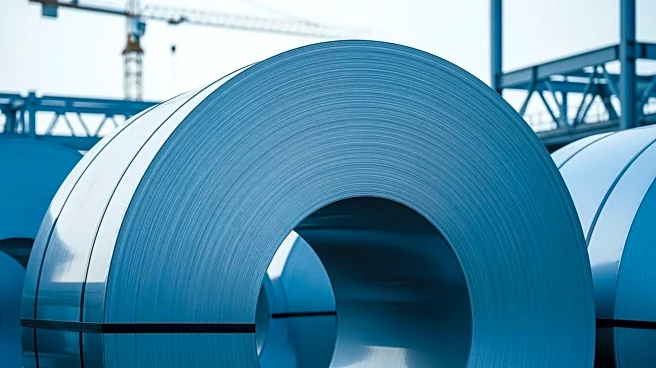
The global hydrochloric acid market, particularly for pickling applications, is undergoing significant changes driven by environmental regulations and technological advancements. The market, essential for metal surface preparation, is projected to grow
steadily from 2026 to 2035. This growth is supported by infrastructure development in emerging economies and the demand for high-quality metal substrates in various industries. However, the traditional consumption model is being challenged by the adoption of acid regeneration plants (ARP) and closed-loop recovery systems. These systems reduce the demand for virgin acid and shift the market towards service-based models. The market dynamics are influenced by the cost of waste management and environmental compliance, which are pushing end-users towards regeneration services.
Why It's Important?
The shift towards regeneration services in the hydrochloric acid market has significant implications for the steel and metal industries. By reducing the reliance on virgin acid, companies can lower their environmental impact and comply with stricter regulations. This transition supports a circular economy model, where waste is minimized, and resources are reused. The adoption of ARP technology is particularly crucial for large steel mills, which can achieve near-zero net consumption of virgin acid. This trend not only helps in cost management but also aligns with global sustainability goals. Smaller fabricators and mini-mills, however, may continue to rely on merchant acid supply, highlighting a divide in the industry's adaptation to new technologies.
What's Next?
As the market evolves, we can expect further integration of regeneration technologies in new and existing steel mills. The demand for specialized acid formulations tailored to specific alloys and end-product requirements will likely increase. Additionally, the development of mobile or regional spent acid recovery services could cater to smaller metal processors. Regulatory pressures will continue to drive innovation in acid recovery and waste management solutions. Companies that can offer comprehensive regeneration services will be well-positioned to capitalize on these trends, potentially leading to consolidation in the market as service providers expand their offerings.
Beyond the Headlines
The move towards regeneration services in the hydrochloric acid market reflects broader shifts in industrial practices towards sustainability and efficiency. This transition not only addresses environmental concerns but also offers economic benefits by reducing waste disposal costs and creating new revenue streams from by-products like iron oxide. The focus on high-purity acid grades and advanced inhibitor packages also indicates a trend towards higher quality and precision in metal processing. These developments could lead to long-term changes in how industries approach resource management and environmental responsibility.