
What's Happening?
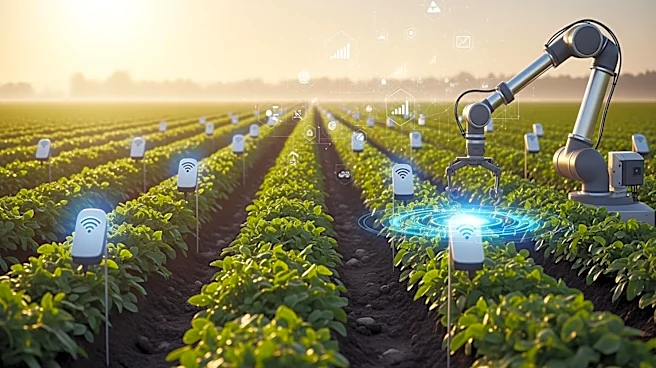
The U.S. agriculture sector is witnessing a significant transformation with the increasing adoption of AI-driven robotics. In March 2026, AgriPass secured $7.5 million to expand its AI-powered robotic weed
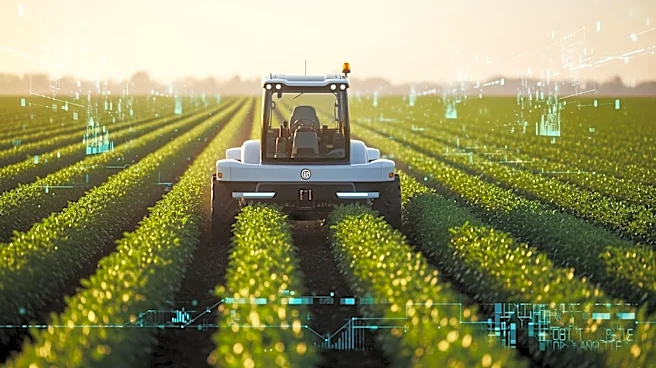
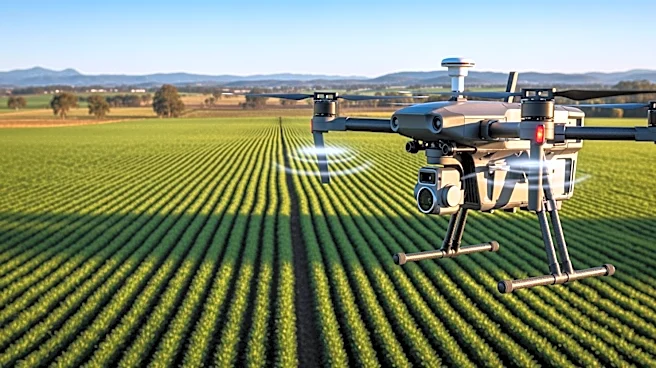
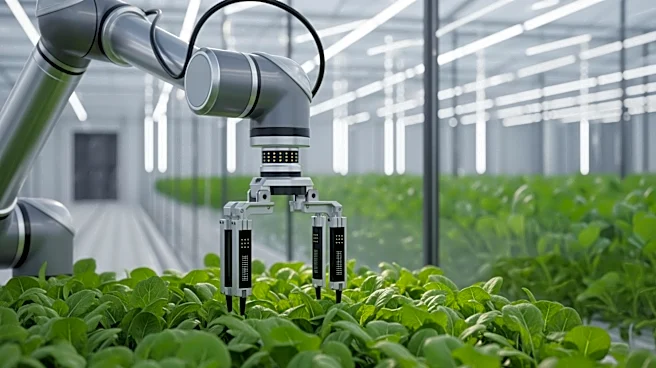
control platform across the U.S., promoting chemical-free and sustainable farming practices. Nature Robots, in April 2026, expanded its autonomous farming systems globally, focusing on labor-intensive operations to address agricultural labor shortages. Additionally, AI-powered precision farming solutions have been integrated into orchard management systems, enhancing harvesting efficiency and reducing manual labor dependency. These advancements are part of a broader trend towards automation and precision agriculture, driven by the need for increased productivity and sustainability in farming.
Why It's Important?
The integration of AI and robotics in agriculture is crucial for addressing labor shortages and enhancing productivity. By automating labor-intensive tasks, these technologies reduce the reliance on manual labor, which is increasingly scarce and costly. The shift towards AI-driven solutions also supports sustainable farming practices by minimizing chemical use and optimizing resource management. This transformation is expected to boost farm productivity and operational efficiency, making U.S. agriculture more competitive globally. The investment in AI technologies reflects a broader trend of digital transformation in agriculture, which could lead to significant economic benefits and a more resilient food supply chain.
What's Next?
As AI and robotics continue to penetrate the agriculture sector, further advancements and investments are anticipated. Companies like AgriPass and Nature Robots are likely to expand their offerings and capabilities, potentially leading to new partnerships and collaborations. The focus will likely remain on enhancing the scalability and adaptability of these technologies to different farming environments. Policymakers and industry stakeholders may also play a role in supporting this transition through incentives and regulatory frameworks that encourage innovation and adoption of sustainable practices. The ongoing development of AI-driven solutions could pave the way for a new era of precision agriculture, with far-reaching implications for food security and environmental sustainability.