
What's Happening?
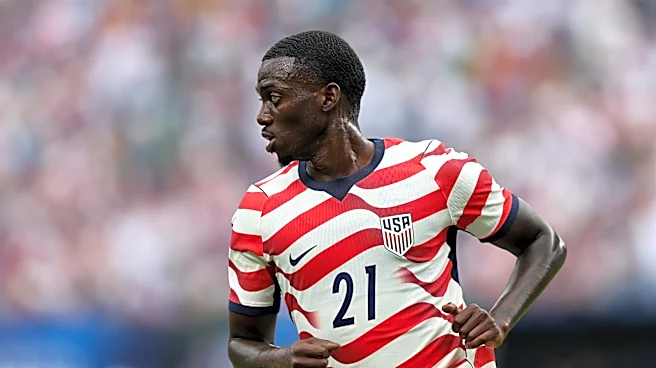
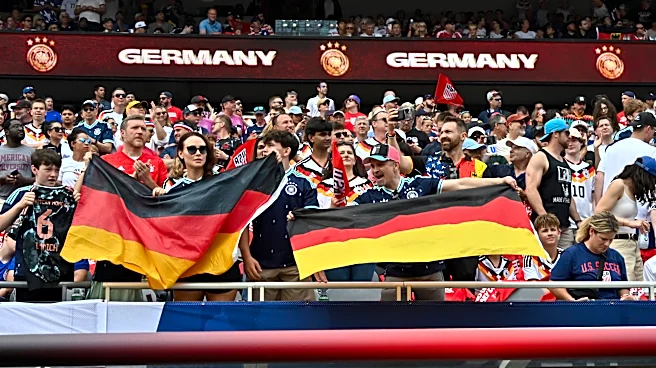
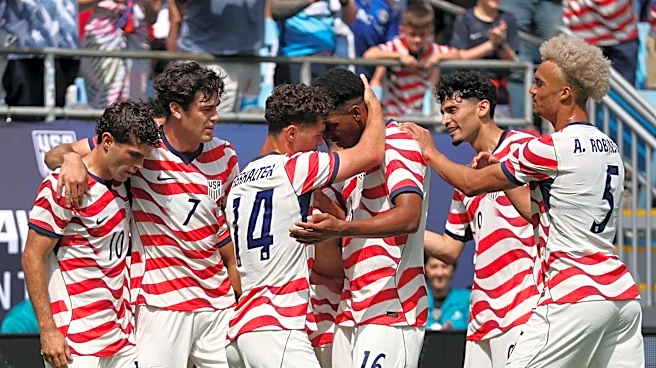
As the 2026 FIFA World Cup approaches, Chicago's vibrant soccer community is preparing to embrace the global event, despite the city not hosting any matches. A recent friendly match between the U.S. and
Germany at Soldier Field drew over 63,000 fans, highlighting the city's deep-rooted soccer culture. Chicago's diverse immigrant communities have long supported the sport, creating a multicultural environment that celebrates soccer through local leagues and international competitions. The Chicago Fire Football Club's announcement of a new $750 million soccer-specific stadium in the South Loop further underscores the sport's growing prominence in the city.
Why It's Important?
The World Cup's arrival in North America, including the U.S., Mexico, and Canada, is expected to significantly boost soccer's profile in Chicago and beyond. The event offers a unique opportunity to inspire new generations of fans and players, potentially increasing participation and viewership. The planned stadium in Chicago represents a major investment in the city's sports infrastructure, reflecting confidence in soccer's future. This development could position Chicago alongside other U.S. cities with strong soccer identities, such as Seattle and Portland, and enhance the city's reputation as a sports hub.
What's Next?
While Chicago will not host World Cup matches, the city is expected to engage with the tournament through watch parties and community events. The new stadium, set to open in 2028, will provide a platform to gauge the city's appetite for professional soccer. As the World Cup unfolds, local bars and pubs anticipate high turnout, especially during key matches. The event's impact on Chicago's soccer culture could lead to increased investment in youth programs and further integration of soccer into the city's sports landscape.
Beyond the Headlines
The World Cup's influence extends beyond sports, potentially fostering greater cultural exchange and community cohesion in Chicago. The city's diverse population, with roots in various soccer-loving nations, may find new opportunities for connection and celebration. The tournament could also spark discussions about the economic and social benefits of hosting major sporting events, influencing future decisions by city leaders regarding international competitions.