





What's Happening?
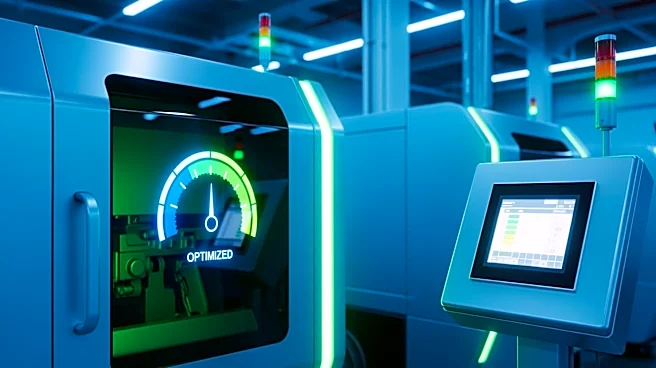
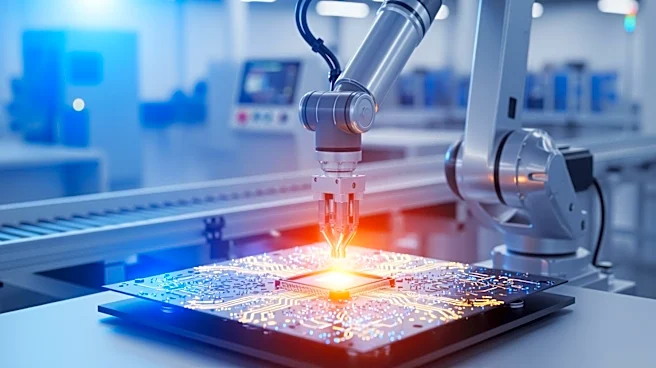
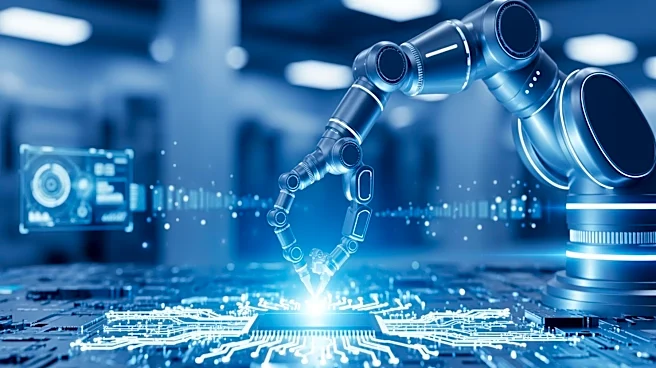
Edge AI technology is transforming manufacturing performance by addressing latency and connectivity issues associated with cloud-based systems. In manufacturing environments, cameras capture numerous images per second, requiring rapid data processing
to drive immediate reactions from controllers. However, cloud transmission delays can lead to scrap, downtime, or unsafe operations. Edge AI offers a solution by providing real-time feedback loops without relying on cloud connectivity, which is often impractical due to latency, security constraints, and high costs. This technology is particularly beneficial for facilities located in remote areas with unreliable cloud connections, such as mining or oil and gas operations.
Why It's Important?
The adoption of Edge AI in manufacturing is crucial for enhancing operational efficiency and reducing costs. By minimizing reliance on cloud-based systems, manufacturers can avoid the high expenses associated with data transfer and cloud computing. Additionally, Edge AI helps protect proprietary production data from security risks linked to cloud storage. This technology enables manufacturers to maintain continuous production even in remote locations with poor connectivity, thereby reducing downtime and improving safety. The shift towards Edge AI represents a significant advancement in industrial automation, offering a more reliable and cost-effective solution for real-time data processing.
What's Next?
Manufacturers are likely to continue integrating Edge AI into their operations to further improve efficiency and reduce costs. As the technology evolves, it may offer even more sophisticated solutions for real-time data processing and automation. Companies may invest in developing proprietary Edge AI systems tailored to their specific needs, enhancing security and performance. Additionally, there may be increased collaboration between technology providers and manufacturers to optimize Edge AI applications for various industrial environments. The ongoing development of Edge AI could lead to broader adoption across different sectors, driving innovation in manufacturing processes.
Beyond the Headlines
The implementation of Edge AI in manufacturing raises important ethical and legal considerations regarding data privacy and security. As companies move away from cloud-based systems, they must ensure that their Edge AI solutions comply with regulatory standards and protect intellectual property. Furthermore, the shift towards Edge AI may influence the broader technology landscape, encouraging other industries to explore similar solutions for real-time data processing. This trend could lead to a reevaluation of cloud computing's role in industrial automation, prompting discussions about the balance between convenience and security in technology adoption.