






What's Happening?
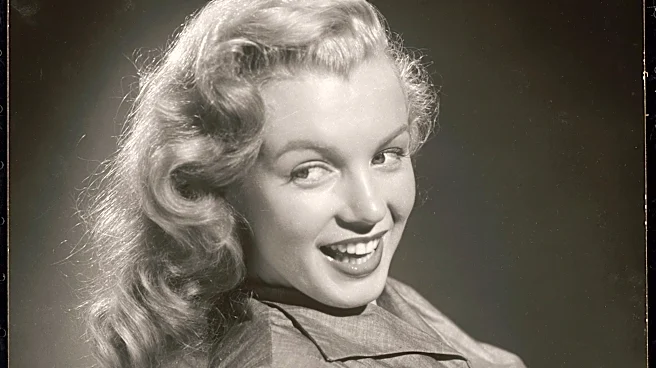
In a celebration organized by Greater Palm Springs Pride, a new Guinness World Record was set for the largest gathering of Marilyn Monroe look-alikes. The event took place in downtown Palm Springs, coinciding with what would have been the Hollywood icon's
100th birthday. A total of 1,037 participants dressed in Monroe's iconic style, surpassing the previous record of 254 look-alikes set in Brighton, Australia, in 2020. Each participant paid a $75 registration fee, which included a white dress, a platinum-blonde wig, cat-eye sunglasses, and a martini glass to complete the look. The event was part of a larger celebration aimed at honoring Monroe's legacy and attracting volunteers to participate in the record-setting attempt.
Why It's Important?
This event highlights the enduring legacy and cultural impact of Marilyn Monroe, a figure who continues to captivate public imagination decades after her passing. By setting a new world record, the gathering not only celebrated Monroe's influence on fashion and pop culture but also brought together a diverse group of individuals in a shared tribute. The event underscores the power of community and collective participation in achieving a common goal, while also boosting local tourism and economy in Palm Springs. Such events can foster a sense of unity and nostalgia, drawing attention to the historical significance of iconic figures in American culture.
What's Next?
Following the successful record-setting event, organizers may consider hosting similar gatherings in the future, potentially expanding the scope to include other iconic figures or themes. The success of this event could inspire other communities to organize similar record-breaking attempts, further promoting cultural heritage and community engagement. Additionally, the event's visibility may encourage more local businesses and sponsors to participate in future events, enhancing the economic and social benefits for the region.
Beyond the Headlines
The event also raises questions about the commercialization of cultural icons and the ways in which their images are used in contemporary society. While the gathering was a celebration of Monroe's legacy, it also reflects broader trends in how historical figures are commodified and remembered. This phenomenon can spark discussions about the ethical implications of such events and the balance between honoring a legacy and exploiting it for commercial gain.