







What's Happening?
Smart Shooter, a company specializing in fire control systems, has been awarded a $10.7 million contract to supply the US Army with its SMASH 2000LE systems. This contract, facilitated through PAE Defensive Fires and executed by Atlantic Diving Supply,
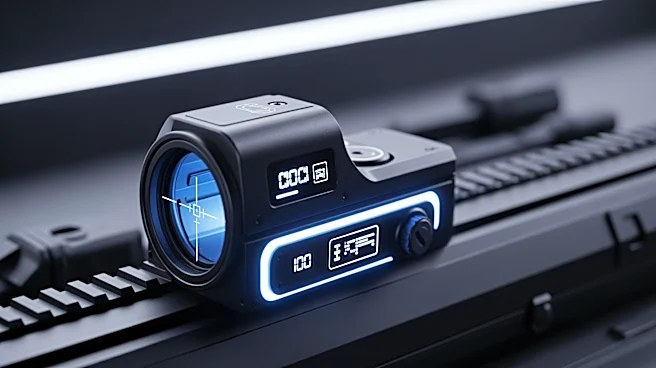
marks a continuation of Smart Shooter's engagement with US defense entities. The SMASH 2000LE, also known as the SMASH 3000SA, is an advanced rifle-mounted fire control solution designed to engage both aerial and ground targets, including small uncrewed aerial systems. The system incorporates computer vision, AI, and target tracking capabilities to address evolving drone threats. Delivery of the systems is expected to be completed by the third quarter of 2026. This contract follows previous agreements with the US Joint Interagency Task Force 401 and the US Marine Corps, highlighting the growing demand for effective counter-UAS capabilities.
Why It's Important?
The contract underscores the increasing need for advanced counter-drone technologies within the US military. As drone threats become more sophisticated and accessible, the demand for reliable and field-ready systems like the SMASH 2000LE is critical. This development not only strengthens Smart Shooter's presence in the US defense market but also reflects a broader trend towards enhancing soldier-level capabilities to counteract unmanned aerial threats. The integration of AI and computer vision in military applications represents a significant shift in defense strategies, potentially influencing future procurement and deployment decisions across various branches of the military.
What's Next?
With the delivery of the SMASH 2000LE systems scheduled for the third quarter of 2026, the US Army is likely to focus on integrating these systems into their existing operations. The effectiveness of these systems in real-world scenarios could lead to further contracts and expanded use across other military branches. Additionally, as drone technology continues to evolve, the military may seek further advancements in fire control systems, potentially driving innovation and competition within the defense industry.