






What's Happening?
Diehl Aerospace, a joint venture between Diehl Aviation and Thales, is developing technologies that could reduce the number of flight attendants required on flights. CEO Florian Maier highlighted that advancements in cabin equipment for passenger safety
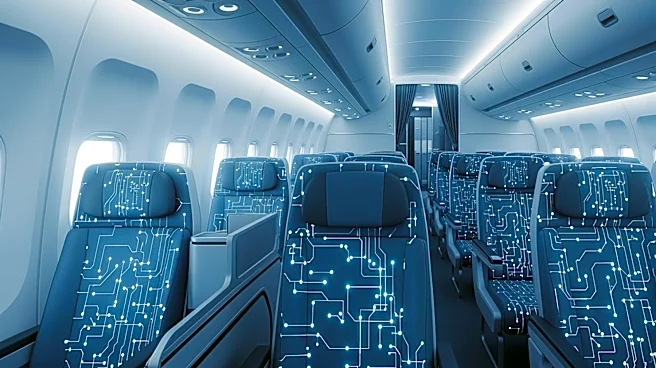
and comfort might allow for a smaller cabin crew, potentially cutting costs for airlines. These technologies include connected cabin systems that facilitate faster boarding and enhance passenger experience, such as indicating available space in baggage bins and allowing passengers to order services directly from their seatback displays. Additionally, connected safety belts could automate the process of ensuring passengers are securely fastened, reducing the workload for flight attendants. However, any reduction in cabin crew would require approval from civil aviation authorities.
Why It's Important?
The potential reduction in flight attendants could significantly impact airline operations by lowering labor costs, which are a major expense for airlines. This development could lead to more efficient flight operations and potentially lower ticket prices for consumers. However, it also raises concerns about passenger safety and service quality, as fewer attendants might affect the ability to manage emergencies or provide personalized service. The move towards digital backbones in aircraft reflects a broader trend in the aviation industry towards automation and digitalization, which could reshape job roles and require new regulatory frameworks.
What's Next?
For these changes to be implemented, Diehl Aerospace and its partners will need to work closely with regulatory bodies like the European Union Aviation Safety Agency to ensure compliance with safety standards. Airlines may begin pilot programs to test these technologies and gather data on their effectiveness and impact on passenger satisfaction. The industry will likely see debates on the balance between cost savings and maintaining high safety and service standards.