



What's Happening?
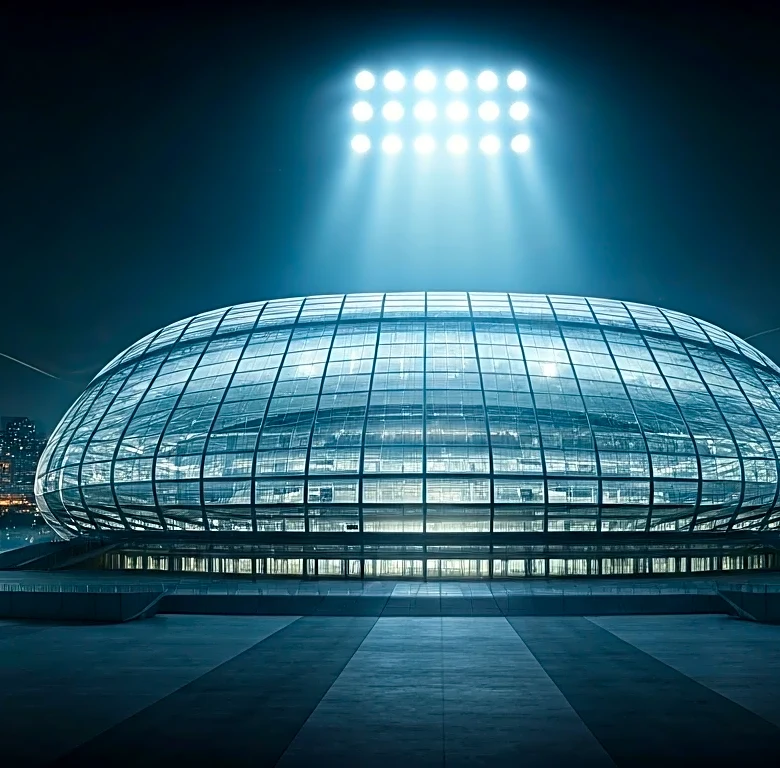
As the FIFA World Cup approaches, Chicago's soccer community is preparing to engage with the global event despite the city not hosting any matches. The Chicago Fire Football Club has announced plans for a new $750 million soccer-specific stadium in the South
Loop, expected to open in 2028. This development reflects a growing confidence in soccer's future in Chicago, a city traditionally associated with other major sports. The stadium is anticipated to seat approximately 22,000 fans, marking one of the largest investments in soccer infrastructure in the city's history. The World Cup, set to begin on June 11, 2026, will resonate throughout Chicago with watch parties and community events, highlighting the city's diverse soccer culture shaped by its immigrant communities.
Why It's Important?
The construction of a new soccer stadium in Chicago signifies a significant investment in the sport's future in the city, potentially altering the local sports landscape. This development could enhance Chicago's reputation as a soccer hub, similar to cities like Seattle and Portland, which have strong soccer identities. The World Cup's influence is expected to boost local interest in soccer, encouraging more community engagement and participation in the sport. This could lead to increased economic activity in the area, benefiting local businesses and fostering a sense of community among diverse cultural groups. The stadium's success could also serve as a model for other cities looking to expand their soccer infrastructure.
What's Next?
With the World Cup set to kick off, Chicago's soccer community is poised to capitalize on the event's momentum. The new stadium's construction will likely proceed as planned, with completion expected in 2028. In the meantime, local soccer clubs and community organizations may increase their activities to engage with the heightened interest in the sport. The city's decision not to host World Cup matches could be revisited in future tournaments, depending on the success of the new stadium and the growth of soccer's popularity in the region. Stakeholders will be watching closely to gauge the impact of these developments on Chicago's sports culture.
Beyond the Headlines
The rise of soccer in Chicago highlights broader cultural and social dynamics, particularly the role of immigrant communities in shaping the city's sports culture. Soccer's ability to bring together diverse groups underscores its potential as a unifying force in a multicultural city. The new stadium could become a focal point for cultural exchange and community building, fostering a deeper appreciation for the sport across different demographics. Additionally, the investment in soccer infrastructure may inspire other cities to consider similar projects, potentially leading to a nationwide increase in soccer's popularity and influence.