





What's Happening?
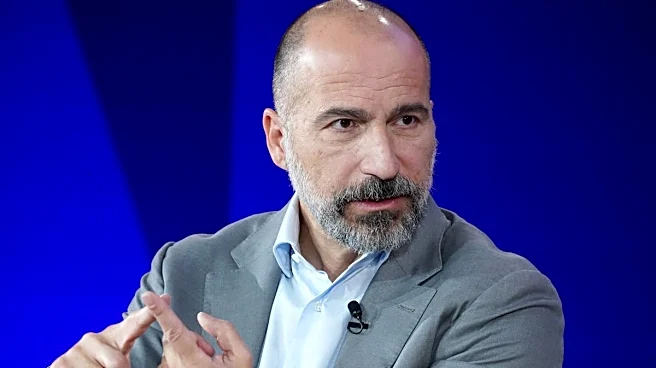
Concerns are growing among CIOs and tech executives about the return on investment (ROI) from AI spending. Uber COO Andrew Macdonald highlighted the issue, noting the difficulty in linking AI expenditures to productivity gains. This sentiment is echoed
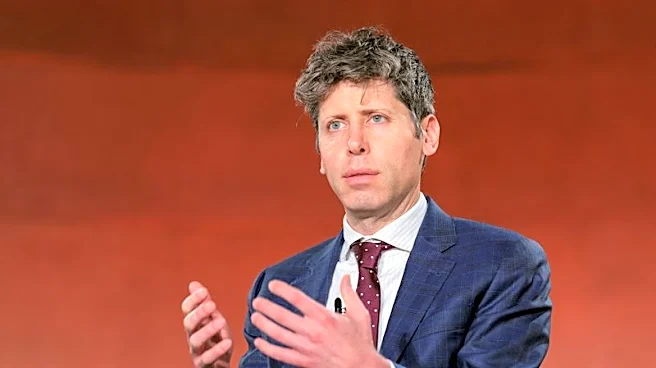
by other industry leaders, including OpenAI CEO Sam Altman and investor Michael Burry, who question the sustainability of current AI spending practices. The term 'tokenmaxxing' has emerged to describe the excessive and often unproductive use of AI resources. Companies are grappling with rising costs and the challenge of integrating AI effectively to achieve tangible business outcomes.
Why It's Important?
The scrutiny over AI spending reflects broader concerns about the sustainability and efficiency of current AI practices. As companies invest heavily in AI, the lack of clear ROI could lead to a reevaluation of strategies and budgets. This situation poses risks for tech companies that rely on AI for competitive advantage, potentially affecting their market positions and financial performance. The debate also highlights the need for better tools and metrics to assess AI's impact on business operations. The outcome of this scrutiny could influence future investment trends and the development of AI technologies.
What's Next?
Companies may need to adopt more disciplined approaches to AI spending, focusing on projects with clear ROI potential. This could involve developing better metrics and tools to track AI's impact on productivity and business outcomes. Industry leaders and investors will likely continue to debate the merits of current AI practices, influencing future investment decisions. As the AI industry evolves, companies that can demonstrate effective and efficient use of AI resources may gain a competitive edge. The ongoing discussion could also lead to regulatory scrutiny and calls for greater transparency in AI spending.