







What's Happening?
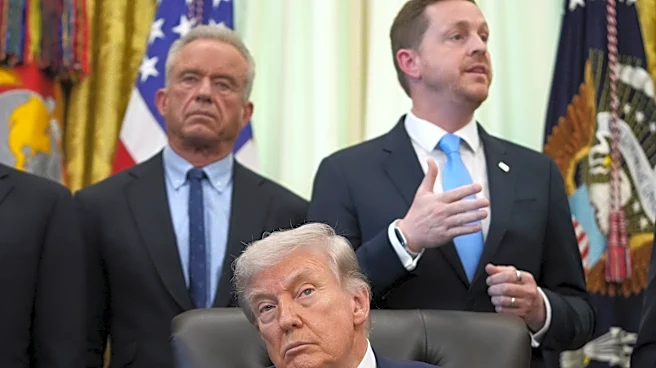
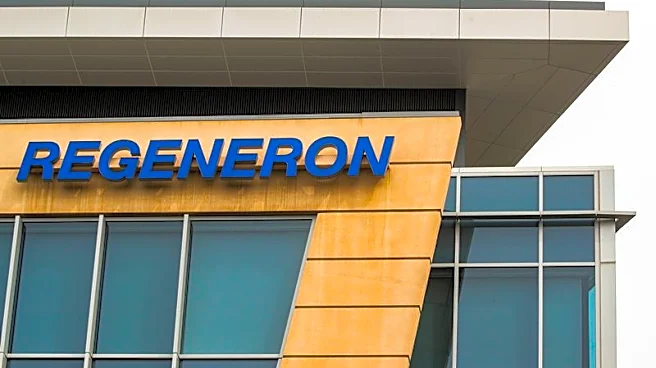
President Donald J. Trump has announced a significant agreement with Regeneron, a major pharmaceutical manufacturer, to implement Most-Favored-Nation (MFN) pricing for prescription drugs. This deal marks the 17th MFN agreement under President Trump's
administration, covering 86% of the branded drug market. The agreement aims to provide American patients access to drug prices comparable to those in other developed nations, ensuring that foreign nations cannot use price controls to benefit from American innovation. As part of the deal, Regeneron will repatriate increased foreign revenue from existing products, benefiting American patients. Additionally, Regeneron will invest $27 billion in U.S. research, development, and manufacturing by 2029, doubling its manufacturing capacity in the United States.
Why It's Important?
This agreement is a pivotal step in President Trump's efforts to lower prescription drug costs for American patients, addressing long-standing concerns about high drug prices in the U.S. By securing MFN pricing, the deal aims to rebalance international drug pricing and prevent foreign nations from benefiting disproportionately from American pharmaceutical innovations. The investment in U.S. manufacturing and research by Regeneron is expected to strengthen the domestic pharmaceutical supply chain, potentially leading to job creation and increased economic activity. The initiative also highlights the administration's commitment to putting American patients first, offering significant savings on medications and groundbreaking treatments at no cost.
What's Next?
Following this agreement, patients will be able to purchase medicines directly through TrumpRx, benefiting from substantial price reductions. Regeneron's new gene therapy for a rare type of genetic deafness will be provided at no cost to U.S. patients, showcasing the administration's focus on delivering critical treatments. The continued investment in U.S. pharmaceutical infrastructure is expected to enhance the country's capacity to produce biologic medicines, potentially leading to further agreements with other pharmaceutical companies. Stakeholders, including healthcare providers and patients, will likely monitor the implementation of MFN pricing and its impact on drug accessibility and affordability.
Beyond the Headlines
The agreement with Regeneron may set a precedent for future negotiations with pharmaceutical companies, encouraging them to align their pricing strategies with MFN standards. This could lead to broader changes in the global pharmaceutical market, as companies adjust to new pricing expectations. The focus on repatriating foreign revenue and investing in U.S. manufacturing underscores a shift towards strengthening domestic capabilities, which may influence future trade policies and international relations. The initiative also raises ethical considerations regarding access to affordable healthcare and the role of government in regulating drug prices.