




What's Happening?
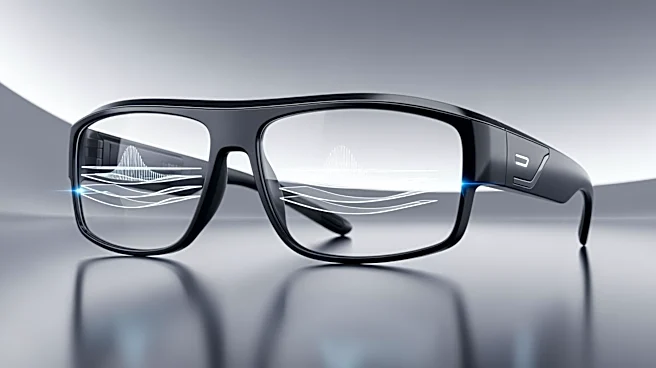
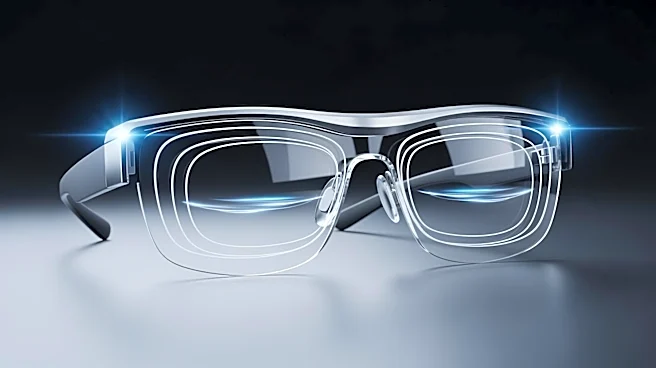
In 2026, several augmented reality (AR) device manufacturers are set to release new products with a focus on affordability and mainstream appeal. Companies like Apple, Meta, Samsung, and Vuzix are moving prototypes into public view, signaling a shift
towards smaller, cheaper designs rather than just flagship spectacles. This move is expected to transition AR from a niche curiosity to a tool for daily use among commuters and workers. Apple is testing four smart-glasses designs, potentially launching a product that integrates seamlessly with its existing ecosystem. Meta is refining its Ray-Ban-style eyewear for everyday wearability, while Samsung is integrating AI features into its smart glasses for enhanced user experience. Vuzix is focusing on enterprise applications, providing waveguide optics for field technicians and logistics. These developments suggest a significant push towards making AR technology more accessible and practical for everyday use.
Why It's Important?
The introduction of more affordable and practical AR devices could significantly impact the consumer tech market by broadening the user base beyond early adopters. By lowering prices and enhancing usability, these companies aim to make AR technology a part of everyday life, potentially transforming how people interact with digital content. This shift could lead to increased demand for AR applications, driving innovation and competition in the tech industry. Additionally, the integration of AI and accessibility features in these devices could open new markets and use cases, such as live-captioning for the hearing impaired, further expanding the technology's reach and utility.
What's Next?
As these AR devices become available, consumer and enterprise adoption rates will be critical to watch. Companies will likely focus on marketing strategies that highlight the practical benefits of AR technology, such as hands-free operation and enhanced accessibility features. The success of these devices could prompt further investment in AR development and encourage other tech companies to enter the market. Additionally, the response from developers will be crucial, as the creation of compelling AR applications will drive consumer interest and adoption.
Beyond the Headlines
The push towards mainstream AR adoption raises questions about privacy and data security, as these devices often require access to personal information and surroundings. Companies will need to address these concerns to gain consumer trust. Furthermore, the widespread use of AR technology could lead to cultural shifts in how people interact with their environment and each other, potentially altering social norms and communication patterns.