






What's Happening?
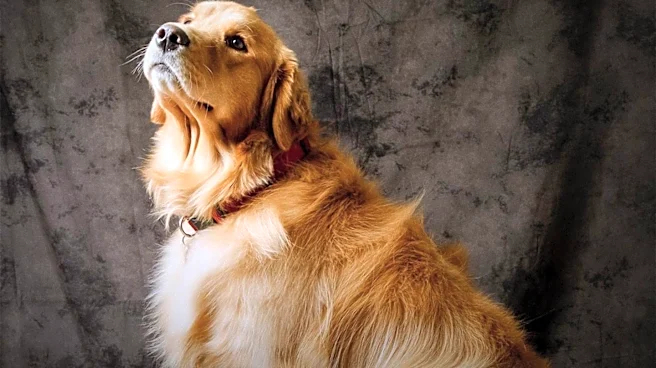
Judith Shulevitz's article in The Atlantic delves into the depiction of dogs in art, inspired by Thomas W. Laqueur's book 'The Dog's Gaze: A Visual History'. The piece explores how dogs are portrayed as perceptive beings in art, often seeing what humans
miss. This theme is linked to broader discussions on consciousness, as highlighted in Michael Pollan's book 'A World Appears', which examines the complexities of human and animal consciousness. The article reflects on historical perspectives, such as Descartes' view of animals lacking consciousness, and contrasts it with modern understandings that recognize the emotional and perceptual capabilities shared between humans and animals.
Why It's Important?
This exploration of canine consciousness and its representation in art offers insights into the evolving understanding of animal intelligence and emotion. It challenges traditional views that separate humans from animals, emphasizing shared capacities like emotion and perception. This shift has implications for how society values and interacts with animals, potentially influencing animal rights and welfare policies. Additionally, the discussion ties into contemporary debates about artificial intelligence, highlighting the unique qualities of human and animal consciousness that machines cannot replicate. This perspective encourages a reevaluation of what it means to be sentient and the ethical considerations that arise from it.
Beyond the Headlines
The article prompts a deeper reflection on the role of animals in human culture and the ethical responsibilities that come with recognizing their consciousness. It suggests a need for greater empathy and understanding in human-animal relationships, which could lead to more humane treatment and policies. The discussion also raises questions about the limitations of artificial intelligence and the importance of preserving the unique aspects of human and animal experiences. As society continues to grapple with technological advancements, these insights could inform future developments in AI and the ethical frameworks that guide them.