



What's Happening?
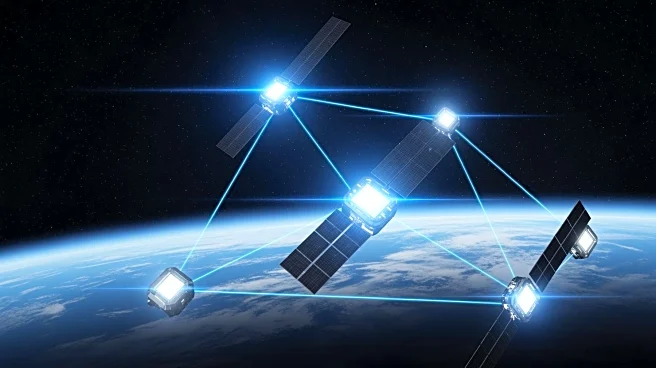
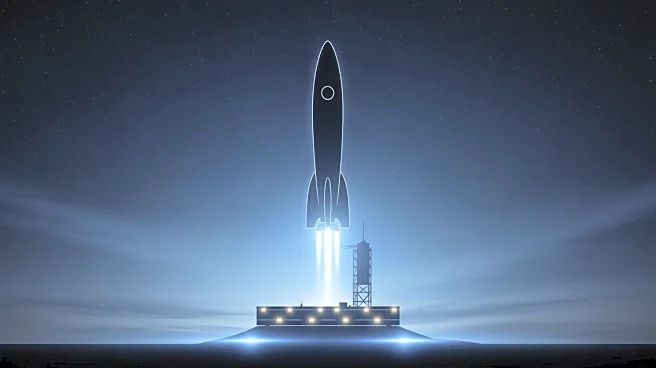
SpaceX successfully launched its 30th batch of Starlink satellites for the year from Vandenberg Space Force Base. The launch took place on a Friday afternoon, with the Falcon 9 rocket lifting off from Space Launch Complex 4 East at 2:51:49 p.m. PDT. The mission,
designated Starlink 17-15, carried 25 Starlink V2 Mini Optimized satellites into low Earth orbit. The Falcon 9 first stage booster, identified by the tail number B1100, was used for this mission. This marked the booster’s fourth flight, having previously supported the NROL-105 mission and two other Starlink satellite launches. Approximately eight minutes after liftoff, the booster successfully landed on the drone ship 'Of Course I Still Love You' in the Pacific Ocean. This landing was the 185th for this particular vessel and the 589th booster landing for SpaceX overall.
Why It's Important?
The successful launch and landing of the Falcon 9 booster highlight SpaceX's continued advancements in reusable rocket technology, which significantly reduces the cost of space travel. The deployment of additional Starlink satellites is part of SpaceX's ongoing effort to expand its global broadband internet service, which aims to provide high-speed internet access to underserved and remote areas worldwide. This expansion is crucial for bridging the digital divide and enhancing connectivity in regions lacking reliable internet infrastructure. Furthermore, the mission underscores SpaceX's growing role in the commercial space industry, as it continues to demonstrate its capability to conduct frequent and reliable launches.
What's Next?
SpaceX is preparing for a busy schedule, including a rideshare flight and dual-manifest Moon-bound missions. The company is also gearing up for Starship Flight 7. These upcoming missions reflect SpaceX's ambitious plans to increase its launch cadence and expand its capabilities in space exploration and satellite deployment. The continued success of the Starlink program will likely lead to further launches as SpaceX works towards its goal of a fully operational global satellite internet network.