


What's Happening?
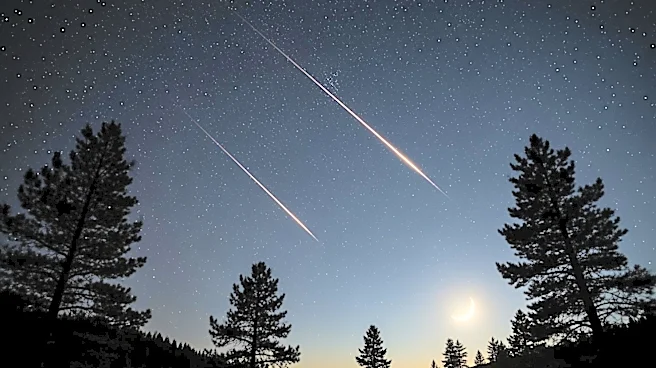
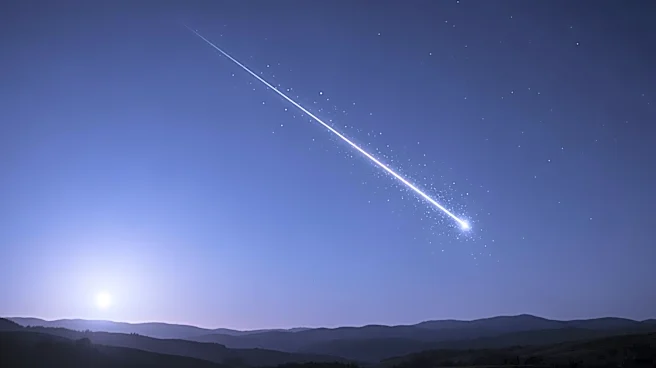
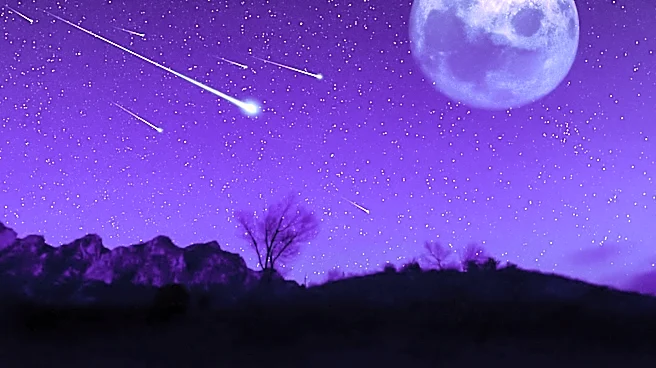
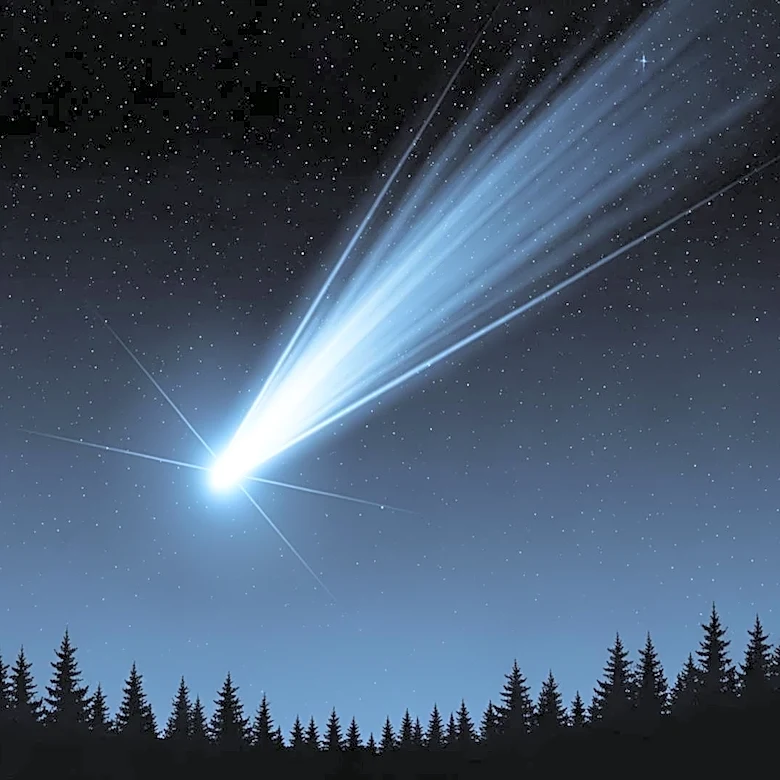
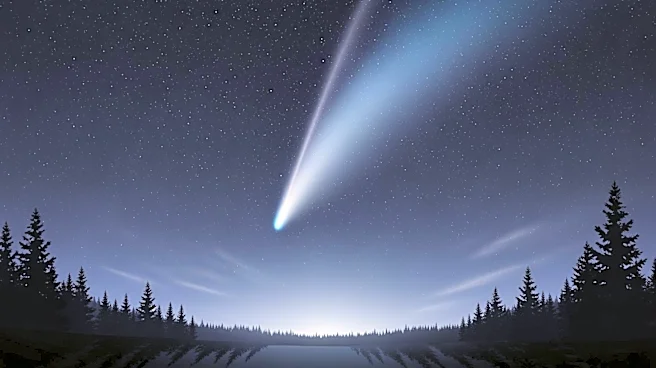
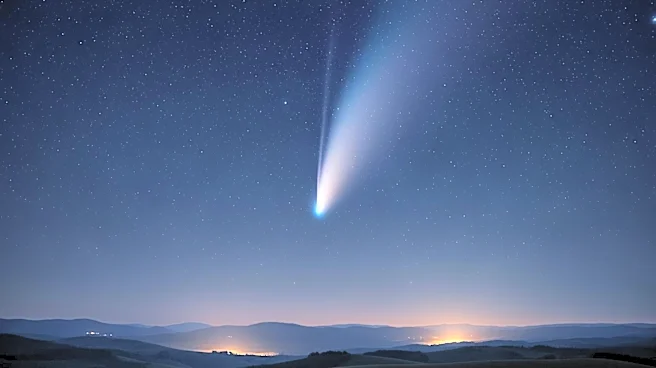
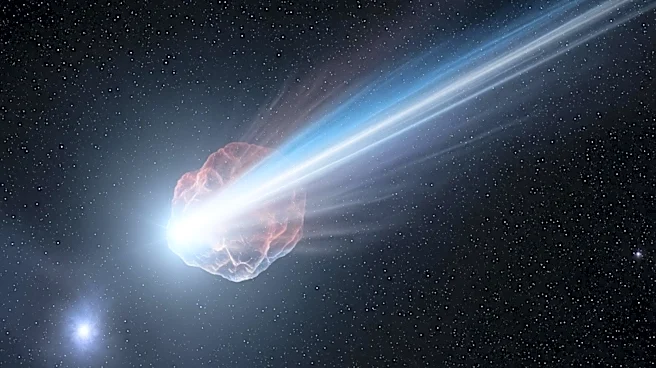
The Lyrid meteor shower, an annual celestial event, is set to occur between April 16 and 25, with its peak expected in the early hours of April 22. Originating from debris left by Comet Thatcher, the Lyrids are known for producing 10 to 20 meteors per
hour, with occasional outbursts reaching up to 100 meteors per hour. The meteors appear to radiate from the constellation Lyra, near the bright star Vega. Skywatchers are advised to find dark locations away from light pollution to best observe the meteor shower.
Why It's Important?
Meteor showers like the Lyrids offer a natural spectacle that can captivate the public's imagination and foster an appreciation for astronomy. These events provide educational opportunities for schools and science centers to engage with the community, promoting interest in space science. Additionally, meteor showers can attract tourists to areas with optimal viewing conditions, providing economic benefits to local communities.
What's Next?
As the Lyrid meteor shower peaks, astronomy clubs and observatories may host viewing events to educate and engage the public. The event could also lead to increased media coverage and discussions about future astronomical phenomena. Observers are encouraged to plan their viewing in advance, considering weather conditions and moon phases to maximize visibility.