






What's Happening?
Cellares and TScan Therapeutics have announced a collaboration to evaluate the automated manufacturing of TScan's lead TCR-T therapy candidate, TSC-101, designed for patients with acute myeloid leukemia (AML) and myelodysplastic syndromes (MDS). This
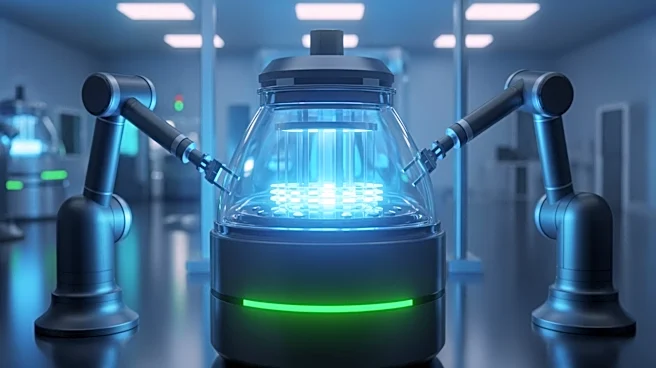
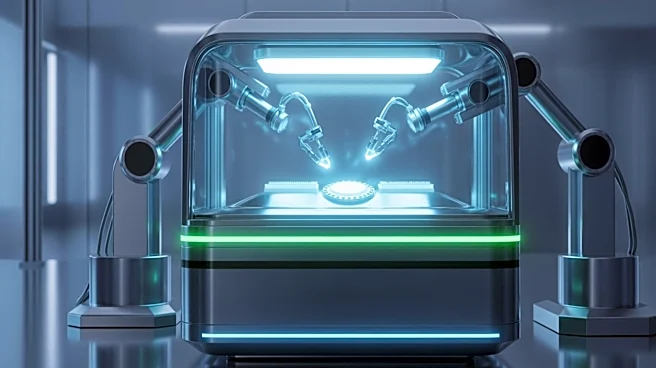
agreement will utilize Cellares' automated platforms, Cell Shuttle and Cell Q, to streamline the manufacturing and testing processes. The goal is to create a scalable and cost-efficient path to commercialization, reducing process variability and labor intensity. TSC-101 aims to treat residual disease and prevent relapse in patients undergoing allogeneic hematopoietic cell transplantation. The pivotal trial for TSC-101 is expected to begin in the second quarter of 2026.
Why It's Important?
This collaboration is significant as it addresses the need for scalable and economical manufacturing solutions in the cell therapy industry, particularly for complex therapies like TCR-T. By automating the production process, Cellares and TScan aim to enhance the reliability and efficiency of manufacturing, potentially increasing patient access to these therapies. The partnership highlights the growing trend towards automation in biopharmaceutical manufacturing, which could lead to reduced costs and improved consistency in therapy production. This development is crucial for meeting the increasing demand for personalized cancer treatments and could set a precedent for future manufacturing strategies in the industry.
What's Next?
As TScan prepares for the pivotal trial of TSC-101, the evaluation of Cellares' automated platforms will be critical in determining the feasibility of large-scale production. If successful, this could lead to broader adoption of automated manufacturing in the cell therapy sector. Stakeholders, including healthcare providers and patients, will be closely monitoring the outcomes of this collaboration, as it could significantly impact the availability and affordability of advanced cancer therapies. Additionally, the success of this partnership may encourage other biotech companies to explore similar automated solutions, potentially transforming the landscape of cell therapy manufacturing.