
What's Happening?
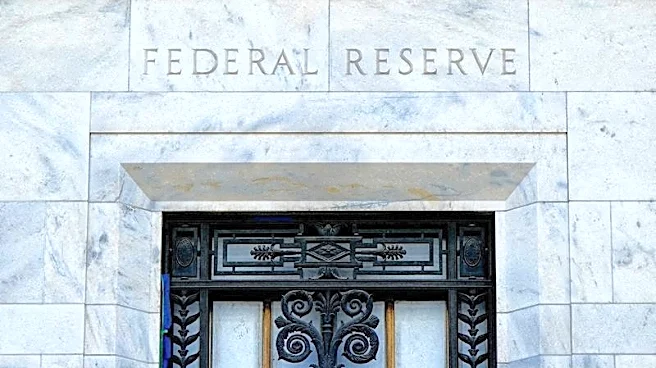
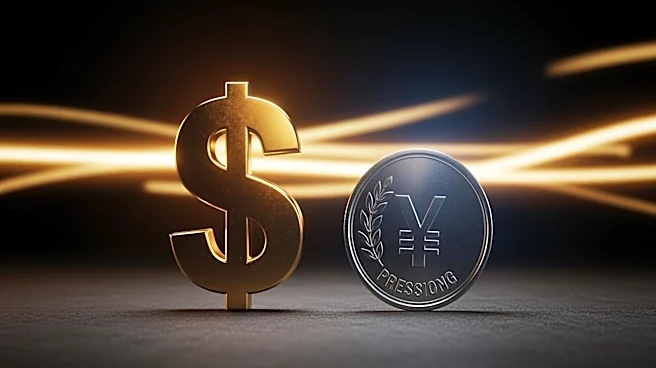
The U.S. dollar has climbed to its highest level in nearly two months following a strong U.S. jobs report that exceeded expectations. This has led traders to increase bets on a potential Federal Reserve
rate hike later this year. The report showed a significant increase in nonfarm payrolls, suggesting a strengthening labor market despite ongoing energy price shocks. The euro and the pound have weakened against the dollar, reflecting the currency's safe-haven appeal and the anticipated widening gap between U.S. and foreign interest rates. The Federal Open Market Committee (FOMC) is set to meet soon, with markets predicting a 50% chance of a rate hike by September.
Why It's Important?
The dollar's rise underscores its role as a safe-haven currency amid global economic uncertainties. A stronger dollar can impact international trade by making U.S. exports more expensive and imports cheaper, potentially affecting the trade balance. The anticipation of Fed rate hikes reflects concerns about inflation, driven by energy supply disruptions linked to the Iran conflict. Higher U.S. interest rates could attract foreign investment, strengthening the dollar further but also posing challenges for emerging markets with dollar-denominated debt. The Fed's decisions will be pivotal in shaping global economic dynamics and investor strategies.
What's Next?
The upcoming FOMC meeting will be closely watched for signals on the Fed's monetary policy direction. Any decision to raise rates could further boost the dollar and influence global financial markets. Analysts are also monitoring geopolitical developments, such as the Iran conflict, which could impact energy prices and inflation. The dollar's strength may continue if the Fed signals a commitment to addressing inflation through rate hikes. Investors and policymakers will need to navigate the implications of a strong dollar on trade, investment, and economic growth.