





What's Happening?
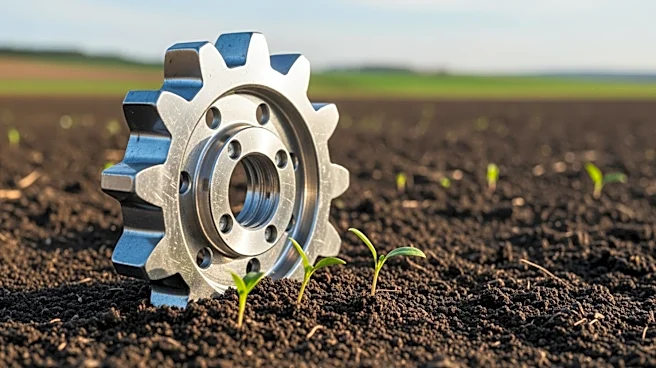
Reman Day, recognized globally, emphasizes the benefits of remanufactured parts in agriculture, particularly for farm machinery maintenance. Led by the Remanufacturing Industrial Council, the initiative highlights how refurbishing used components can
extend product life, reduce waste, and decrease reliance on new raw materials. CNH Reman, a key player in this field, has significantly reduced raw material consumption by refurbishing components, achieving up to 85% energy savings compared to new parts production. This approach not only supports farmers by lowering costs and reducing downtime but also contributes to environmental sustainability by conserving natural resources.
Why It's Important?
The adoption of remanufactured parts in agriculture presents a dual benefit of economic savings and environmental conservation. For farmers, this means reduced operational costs and increased machinery uptime, which are critical in the face of rising fuel and input costs. Environmentally, remanufacturing reduces the demand for new raw materials and lowers emissions associated with manufacturing processes. This aligns with broader sustainability goals and can enhance the agricultural sector's resilience against resource scarcity and environmental regulations. The initiative also supports the circular economy by keeping valuable materials in use longer.
What's Next?
As the benefits of remanufacturing become more widely recognized, it is likely that more industries, including agriculture, will adopt these practices. CNH Reman's goal of achieving 90% recyclability across new products by 2030 indicates a commitment to further integrating sustainability into their operations. This could lead to increased availability and acceptance of remanufactured parts, potentially influencing policy and industry standards. Continued innovation and collaboration with local dealers will be essential in expanding the reach and impact of remanufacturing in agriculture.