



What's Happening?
The agricultural sector is increasingly adopting energy-saving technologies to enhance sustainability and efficiency. Modern farming practices heavily rely on energy for operations such as running tractors, irrigation, and fertilizer production. With
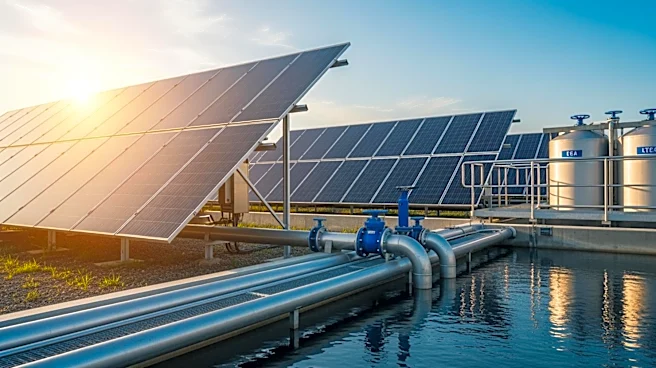
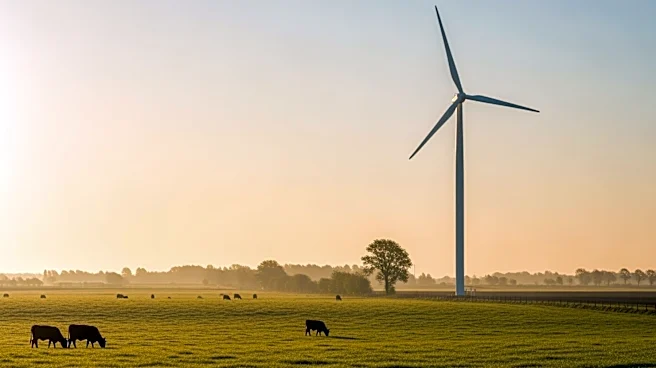
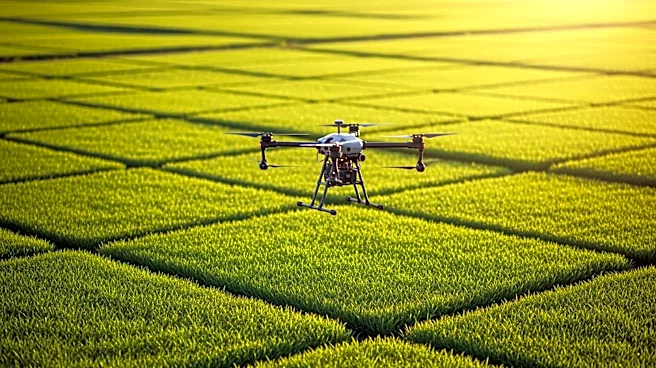
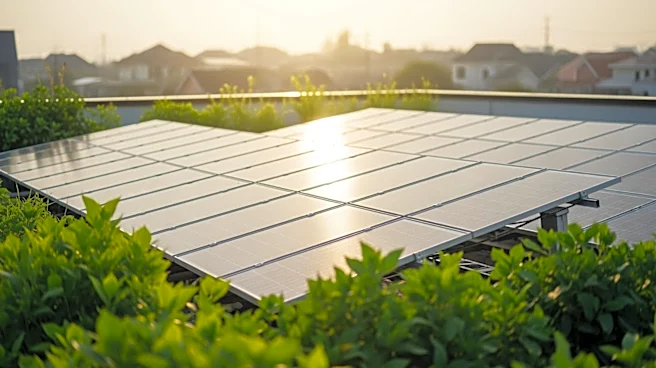
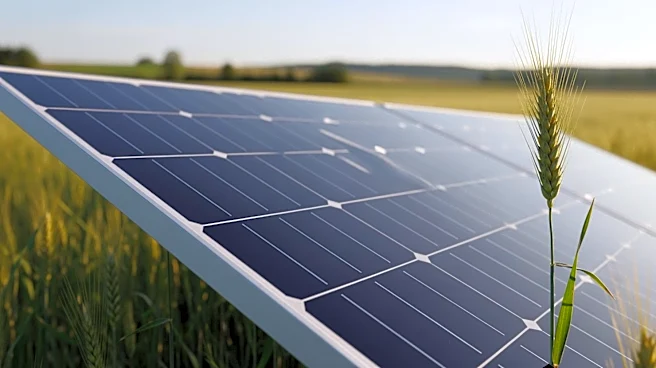
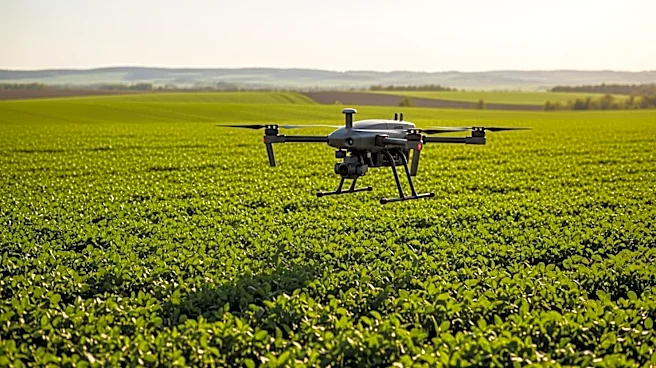
rising energy costs and climate change impacting agricultural productivity, there is a pressing need to make farming more energy-efficient. Recent technological advancements, including precision farming, smart irrigation, solar power, conservation tillage, artificial intelligence in greenhouses, and biogas production, are being implemented to address these challenges. These technologies help reduce energy consumption, cut costs, and protect the environment, making agriculture more sustainable and resilient.
Why It's Important?
The adoption of energy-saving technologies in agriculture is crucial for several reasons. It helps reduce the sector's reliance on fossil fuels, thereby lowering greenhouse gas emissions and mitigating climate change impacts. By improving energy efficiency, farmers can decrease operational costs, making farming more economically viable. This is particularly important for small and medium-sized farms that face financial constraints. Additionally, these technologies contribute to environmental conservation by reducing pollution and preserving natural resources. The shift towards sustainable farming practices also supports food security by ensuring stable and increased agricultural productivity in the face of climate challenges.
What's Next?
The widespread adoption of these technologies requires initial investments and technical knowledge, which can be challenging for small farmers. Government support through subsidies, training programs, and easy access to loans is essential to facilitate this transition. Policies promoting renewable energy, carbon credits, and equipment subsidies can accelerate the adoption of energy-saving technologies. Improved rural internet connectivity and extension services are also necessary to support farmers in implementing these modern practices. As these technologies become more accessible, the agricultural sector is expected to become more energy-efficient, sustainable, and resilient to climate change.