
What's Happening?
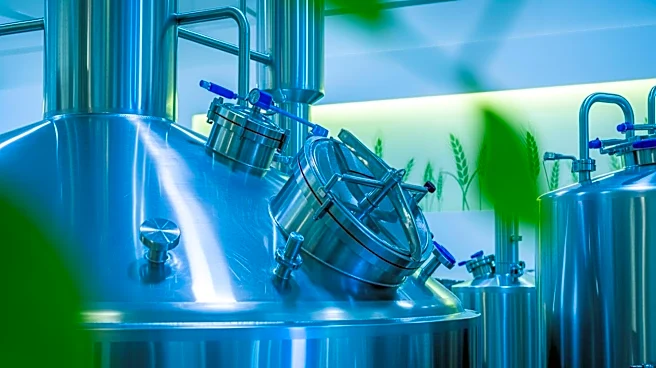
BASF Agricultural Solutions has inaugurated its BioHub, a new fermentation plant located in Ludwigshafen, Germany, dedicated to producing biological and biotechnology-based crop protection products. This
facility represents a significant investment in the high double-digit million-euro range, aimed at bolstering BASF's portfolio of biological innovations. The plant will manufacture products such as biological fungicides and seed treatments, which are integral to sustainable, integrated crop protection programs. The BioHub utilizes microorganisms to convert renewable raw materials into desired products through fermentation, enhancing BASF's production flexibility and supply chain resilience. The facility has already commenced commercial production of key biological active ingredients, including the bacterium Bacillus amyloliquefaciens, used in the biological fungicide Serifel®, and components of the insecticide Inscalis®, derived from the fungal strain Penicillium coprobium.
Why It's Important?
The establishment of the BioHub is a strategic move by BASF to strengthen its position in the growing market for biological crop protection solutions. This development is crucial as it aligns with global trends towards sustainable agriculture, reducing reliance on chemical pesticides, and addressing environmental concerns. By bringing fermentation production in-house, BASF enhances its ability to innovate and adapt quickly to market demands, ensuring a consistent supply of products to farmers. This initiative not only supports BASF's economic goals but also contributes to environmental protection and social responsibility, reflecting the company's commitment to sustainable development. The BioHub's operations are expected to have a positive impact on the agricultural sector by providing farmers with advanced tools to manage crop health and productivity sustainably.
What's Next?
BASF's investment in the BioHub is part of a broader strategy to expand its BioSolutions™ portfolio. The company plans to continue integrating sustainability criteria into its business decisions, aiming to deliver the best possible outcomes for farmers and stakeholders. As the global demand for biological crop protection solutions grows, BASF is likely to explore further innovations and partnerships to enhance its offerings. The success of the BioHub could lead to similar investments in other regions, potentially expanding BASF's market reach and influence in the agricultural sector.