






What's Happening?
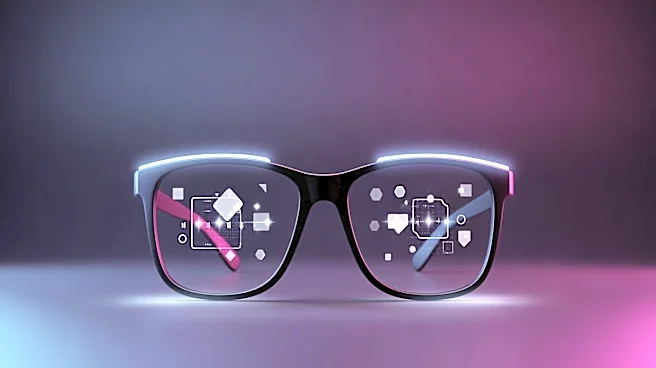
In 2026, several companies, including Google, Warby Parker, and Samsung, are pushing the boundaries of augmented reality (AR) with new smart glasses designs. These innovations were showcased at Google I/O, highlighting practical AR features and lightweight
frames. Warby Parker plans to introduce Gemini AI-powered eyewear, aiming for retail distribution and prescription options. Samsung is collaborating with multiple designers to offer a variety of frame styles compatible with Android XR. The market for AR hardware is expected to grow significantly, with a forecasted 64.8% year-over-year increase in 2026.
Why It's Important?
The advancements in smart glasses technology signal a shift towards making AR more accessible and appealing to everyday consumers. By focusing on aesthetics, functionality, and affordability, companies are addressing previous barriers to adoption, such as bulky designs and high costs. The potential for smart glasses to replace smartphones for quick tasks and enhance user experiences through AI-driven interactions could revolutionize how people interact with technology. This trend also opens new opportunities for businesses in retail, healthcare, and enterprise sectors, where AR can provide hands-free data access and improve workflows.
What's Next?
As these smart glasses move closer to retail availability, companies will need to address privacy concerns and develop strategies to integrate AR into daily life seamlessly. The success of these products will depend on consumer acceptance and the ability to deliver on promised features. The industry will likely see increased investment and competition as more players enter the market, driving further innovation and potentially leading to new applications for AR technology.