





What's Happening?
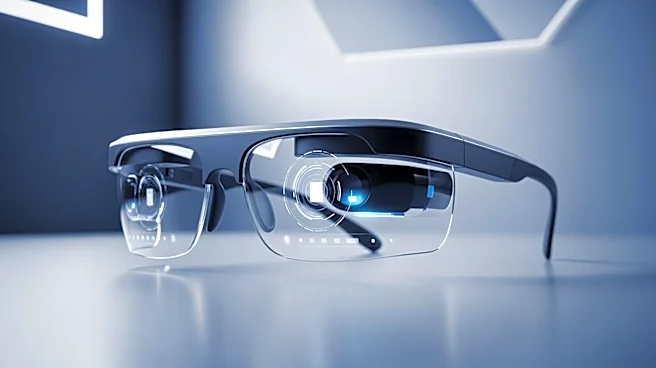
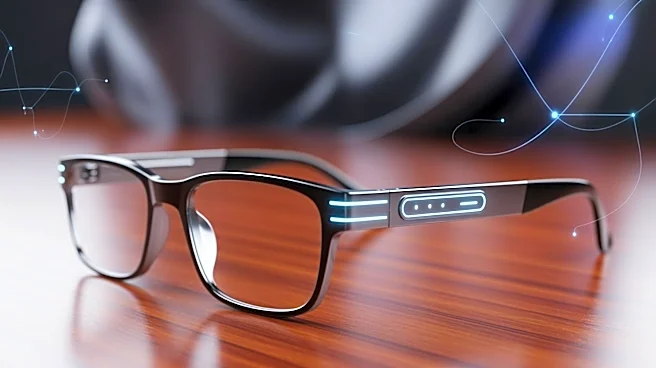
In 2026, the market for smart glasses is witnessing significant developments as major brands and startups introduce new prototypes and collaborations. Notably, Gucci is partnering with Google to launch a luxury line of smart glasses aimed at fashion-forward
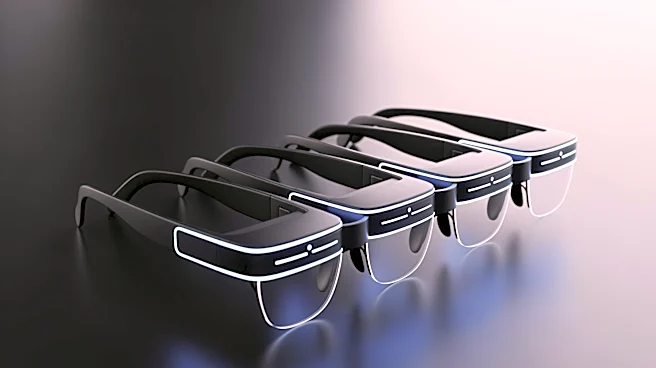
consumers. This collaboration is expected to elevate augmented reality (AR) from a tech gadget to a fashion accessory. Additionally, Meta has expanded its Ray-Ban line to include prescription-capable smart frames, making AR more accessible to eyeglass wearers. Apple is reportedly testing four prototype designs, indicating its interest in entering the smart glasses market. These developments are part of a broader trend where companies are integrating advanced technology into everyday accessories, potentially reshaping consumer expectations and market dynamics.
Why It's Important?
The introduction of luxury smart glasses by brands like Gucci and Google signifies a shift in how AR technology is perceived and utilized. By targeting style-conscious consumers, these collaborations could broaden the appeal of smart glasses beyond tech enthusiasts to a wider audience. This move could drive increased adoption of AR technology, influencing both the fashion and tech industries. The availability of prescription-capable smart frames by Meta further democratizes access to AR, potentially increasing market penetration. As more companies enter the smart glasses space, competition is likely to drive innovation and lower prices, making the technology more accessible to the general public. This could lead to a significant impact on consumer behavior and expectations regarding wearable technology.
What's Next?
As these smart glasses enter the market, companies will need to focus on developing applications and content that leverage the capabilities of AR technology. The success of these products will depend on their ability to integrate seamlessly into users' daily lives, offering practical benefits beyond novelty. The industry may see further collaborations between tech companies and fashion brands, as well as advancements in AR software to enhance user experience. Additionally, regulatory considerations regarding privacy and data security will be crucial as these devices become more prevalent. The response from consumers and the pace of technological advancements will shape the future trajectory of the smart glasses market.
Beyond the Headlines
The integration of AR technology into fashion accessories raises questions about privacy and data security, as these devices have the potential to collect and transmit personal information. Ethical considerations regarding the use of AR in public spaces and its impact on social interactions will also need to be addressed. Furthermore, the collaboration between luxury brands and tech companies highlights a growing trend of cross-industry partnerships, which could lead to new business models and revenue streams. As smart glasses become more mainstream, they may influence cultural norms and expectations around technology and fashion, potentially leading to a reevaluation of what constitutes a 'smart' accessory.