








What's Happening?
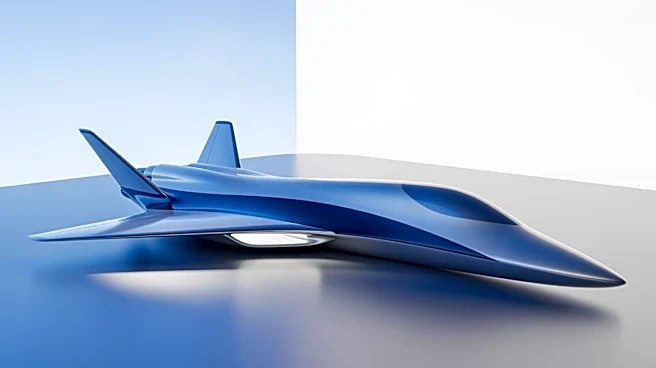
Otto Aerospace, a U.S. startup, is progressing with the design of its Phantom 3500 business aircraft, which utilizes drag-reducing laminar flow technology. The company has completed the preliminary design review and is moving into the detail design phase.
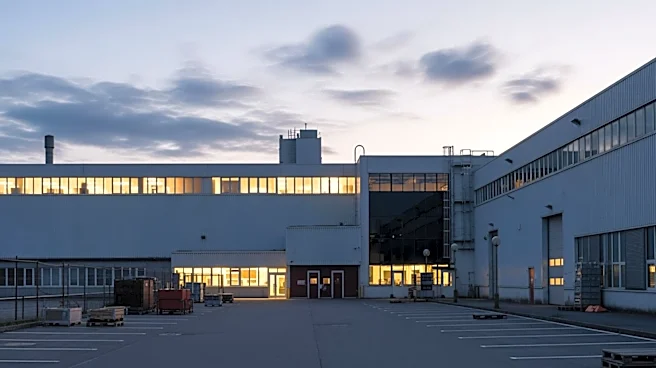
The Phantom 3500 aims to offer the cabin size and performance of a super midsize jet while significantly reducing fuel consumption. The aircraft's design features a slotted natural laminar flow wing, which is expected to reduce fuel burn by over 60% compared to conventional aircraft. Otto plans to conduct the first flight test of the Phantom 3500 in late 2027, with certification targeted for 2030. The aircraft will be manufactured at a facility in Jacksonville, Florida, supported by a $500 million incentive package from the state.
Why It's Important?
The development of the Phantom 3500 represents a significant advancement in business aviation, particularly in terms of fuel efficiency and environmental impact. By reducing fuel consumption by more than 60%, the aircraft could set new standards for sustainability in the aviation industry. This innovation aligns with broader industry trends towards greener technologies and could influence future aircraft designs. Additionally, the establishment of a manufacturing facility in Florida is expected to boost local economic development and job creation. The Phantom 3500's competitive operating costs and performance could also disrupt the market for super midsize jets, offering a more cost-effective alternative for business aviation operators.
What's Next?
Otto Aerospace plans to continue refining the Phantom 3500's design and begin the flight-test program to validate the aircraft's performance and manufacturability. The company aims to certify the aircraft under FAA Part 23 regulations by 2030. As the project progresses, Otto will likely engage with potential customers and stakeholders to secure additional orders and partnerships. The success of the Phantom 3500 could prompt other manufacturers to explore similar technologies, potentially leading to broader adoption of laminar flow technology in the aviation industry.