

What's Happening?
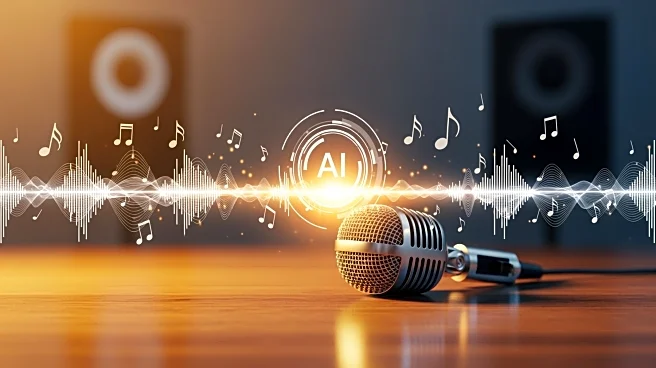
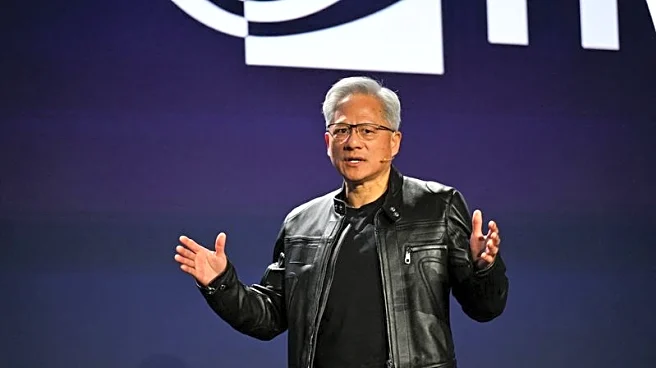
Lucian Grainge, CEO of Universal Music Group (UMG), spoke at Nvidia's GTC AI conference, highlighting the potential of artificial intelligence (AI) in the music industry. During a conversation with Nvidia executive Richard Kerris, Grainge emphasized the importance
of establishing 'guardrails' to ensure AI benefits artists. He compared AI to past technological innovations like drum machines and digital music tools, suggesting that AI could similarly enhance artistic expression and monetization. Grainge stressed the need for protecting artists' rights, such as ensuring their voices and lyrics are not misused, citing Taylor Swift as an example. He expressed optimism about AI's future role in music, noting UMG's history of embracing technological change, including early partnerships with platforms like Facebook.
Why It's Important?
The integration of AI in the music industry could significantly impact how music is created, distributed, and monetized. By setting 'guardrails,' UMG aims to protect artists' rights while leveraging AI's capabilities to enhance creativity and business opportunities. This approach could lead to new revenue streams and innovative music experiences, benefiting both artists and consumers. However, it also raises concerns about intellectual property and the potential misuse of artists' work. Grainge's emphasis on artist-first AI highlights the industry's need to balance technological advancement with ethical considerations, ensuring that artists retain control over their creations.
What's Next?
UMG plans to continue developing AI-driven products over the next decade, focusing on partnerships that respect artists' rights. The company aims to explore AI's potential in enhancing music creation and distribution while safeguarding artistic integrity. As AI technology evolves, UMG's approach could influence industry standards and practices, prompting other music companies to adopt similar strategies. Stakeholders, including artists, record labels, and technology firms, will likely engage in ongoing discussions to address ethical and legal challenges associated with AI in music.