




What's Happening?
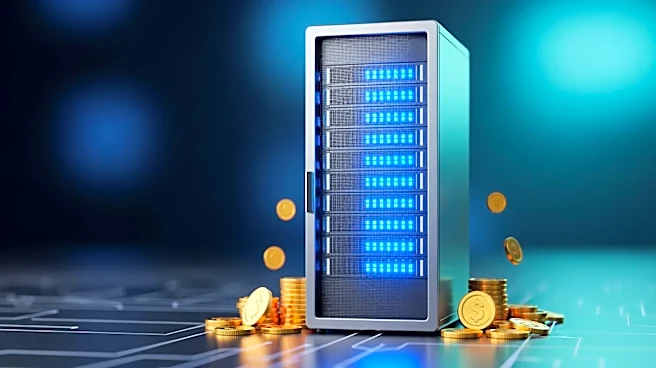
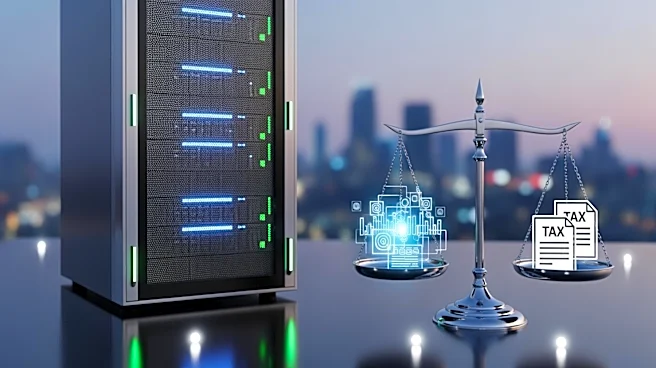
The rapid expansion of data centers across the United States is significantly increasing electricity consumption, leading to higher electricity costs for consumers. According to a report by Business Insider, data centers are projected to use between 224.3
terawatt-hours and 358.8 terawatt-hours of electricity annually by 2025, marking a 50% increase over the previous year. This surge in power demand is primarily driven by hyperscale data centers, which are large facilities consuming 40 megawatts or more each. The PJM Interconnection, which operates an electric grid serving 67 million people, reported a 76% increase in wholesale power costs in the first quarter of 2026 due to data centers. This has led to concerns among residents, particularly in rural areas, about the environmental impact and rising electricity bills.
Why It's Important?
The expansion of data centers is crucial for supporting the growing demands of artificial intelligence and digital services, which are vital for U.S. economic growth and competitiveness. However, the increased electricity consumption poses challenges for utility companies and consumers. Utilities are investing billions in new grid infrastructure to meet the demand, often passing these costs onto consumers through higher electricity rates. This situation is exacerbated in rural areas where data centers are often located, leading to potential environmental concerns and displacement of local communities. The rising electricity costs could also impact residential customers, making it more expensive to maintain their standard of living.
What's Next?
As data centers continue to expand, utility companies and policymakers will need to find ways to balance the demand for electricity with the need to keep costs manageable for consumers. This may involve developing new regulations to ensure that data centers contribute fairly to grid infrastructure costs. Additionally, there may be increased pressure on tech companies to invest in renewable energy sources to mitigate the environmental impact. Local communities are likely to continue voicing their concerns, potentially influencing future data center developments and policies.