

What's Happening?
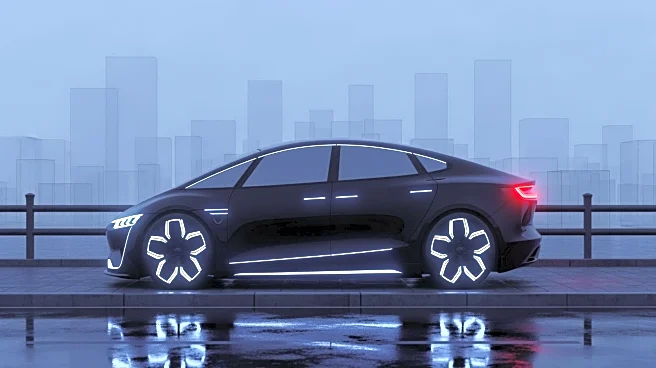
Uber, in partnership with Chinese autonomous vehicle company WeRide, has launched robotaxi operations in Dubai without a human safety operator. This marks a significant expansion of their autonomous vehicle services in the Middle East. The service, operated
locally by Tawasul, is available in various commercial and industrial districts, as well as suburban areas and the maritime trading hub Al Hamriya Port. Initially introduced in December under a pilot program, the robotaxis did not charge for rides and included a human safety operator. However, following a driverless vehicle trial permit issued by Dubai's Roads and Transport Authority, the service has now transitioned to fully autonomous operations. Uber holds a 5.82% stake in WeRide, valued at approximately $150 million, and has invested $100 million into the company. This initiative is part of Uber's broader strategy to integrate autonomous vehicles into its network, aiming to create a hybrid world where drivers and autonomous vehicles operate side-by-side.
Why It's Important?
The expansion of robotaxi services in Dubai represents a significant step towards the global adoption of autonomous mobility. For Uber, this development underscores its commitment to integrating autonomous vehicles into its service offerings, potentially reducing operational costs and increasing efficiency. The move also highlights Dubai's ambition to become a leader in smart city technologies, aligning with its broader goals of innovation and sustainability. The introduction of driverless vehicles could transform urban transportation, offering a glimpse into the future of mobility where human drivers and autonomous vehicles coexist. This could lead to changes in regulatory frameworks, urban planning, and public transportation systems worldwide.
What's Next?
As Uber and WeRide continue to expand their robotaxi operations, they plan to introduce the service to an additional 15 cities over the next five years, including locations in Europe. This expansion will likely prompt further regulatory developments and technological advancements in autonomous vehicle technology. Stakeholders, including government agencies, urban planners, and transportation companies, will need to adapt to the evolving landscape of urban mobility. The success of this initiative in Dubai could serve as a model for other cities looking to integrate autonomous vehicles into their transportation networks.