




What's Happening?
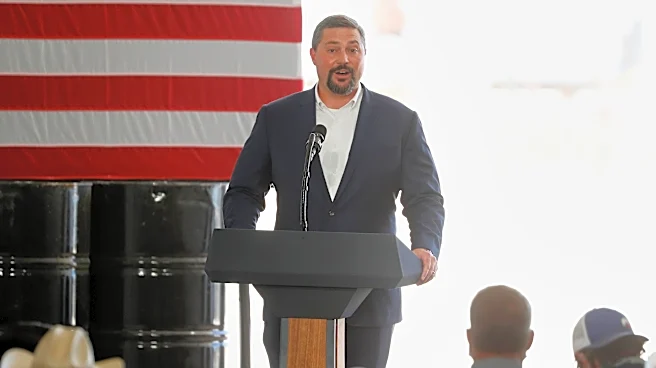
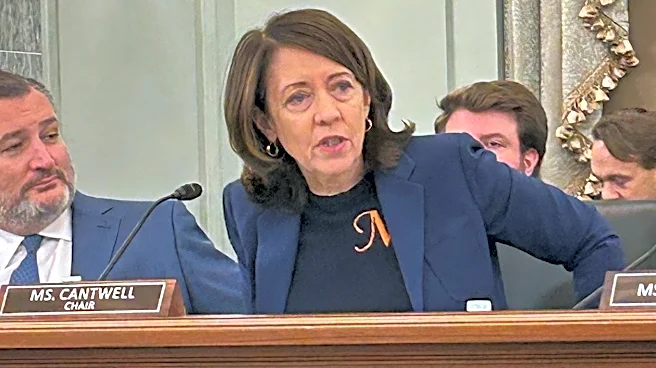
U.S. Senators Ted Cruz and Maria Cantwell have introduced the Protect College Sports Act, a bipartisan bill that could significantly alter the landscape of collegiate athletics. The proposed legislation aims to regulate eligibility and transfer rules
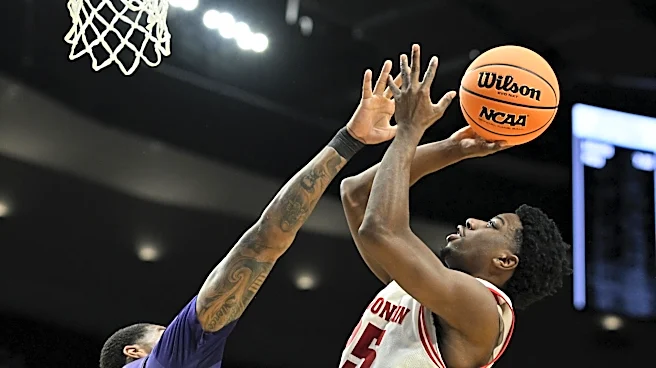
more strictly, potentially impacting the Texas A&M men's basketball team for the 2026 season. The bill seeks to enforce a five-year eligibility limit for college athletes and prohibits those who have played professionally, either domestically or internationally, from participating in college sports if they have earned compensation beyond prize money. This development directly affects Bryson Warren, a recent transfer to Texas A&M, who has previously signed professional contracts. Warren's eligibility is under scrutiny, as the NCAA has stated it will not grant eligibility to athletes who have signed NBA contracts, including two-way contracts.
Why It's Important?
The introduction of this bill could have far-reaching implications for college sports, particularly in how teams recruit and retain talent. By potentially disqualifying athletes with professional experience, the bill could limit the pool of available talent for college teams, forcing them to rely more heavily on traditional high school recruits. This could also impact the competitive balance within college sports, as teams that have previously benefited from recruiting players with professional experience may find themselves at a disadvantage. Additionally, the bill could influence media rights and regional rivalries, further altering the financial and competitive landscape of college athletics. Stakeholders such as universities, athletic departments, and student-athletes could face significant adjustments in response to these changes.
What's Next?
If the Protect College Sports Act is passed, it will initiate a months-long process to implement the new regulations. Texas A&M and other universities will need to reassess their recruitment strategies and roster management to comply with the new rules. The NCAA will also need to establish clear guidelines and enforcement mechanisms to ensure compliance. Meanwhile, athletes like Bryson Warren, who are currently in limbo regarding their eligibility, will await official rulings that could determine their future in college sports. The outcome of this legislation could prompt further legal and policy debates about the role of professional experience in collegiate athletics.