





What's Happening?
LATAM Airlines Group is set to announce new destinations for its Embraer E195-E2 aircraft by the end of July, with the first deliveries expected in the fourth quarter of this year. Jerome Cadier, President of LATAM Airlines Brazil, shared this timeline
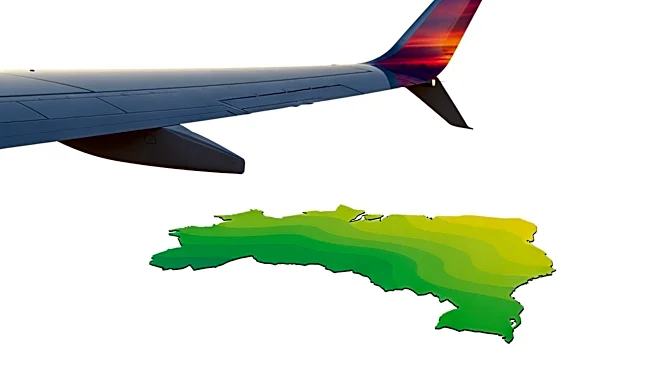
during the IATA AGM. The introduction of these aircraft is aimed at opening new destinations and increasing frequencies in existing narrowbody markets. LATAM Airlines Group CEO Roberto Alvo highlighted that the initial 24 E2s will be deployed in Brazil, where LATAM holds a 40% domestic market share. The airline group has options for an additional 50 aircraft. The E2s are expected to be based in Sao Paulo Guarulhos, Brasilia, and Fortaleza. LATAM's network in Brazil has expanded from 40 destinations before the COVID-19 pandemic to 62 cities today.
Why It's Important?
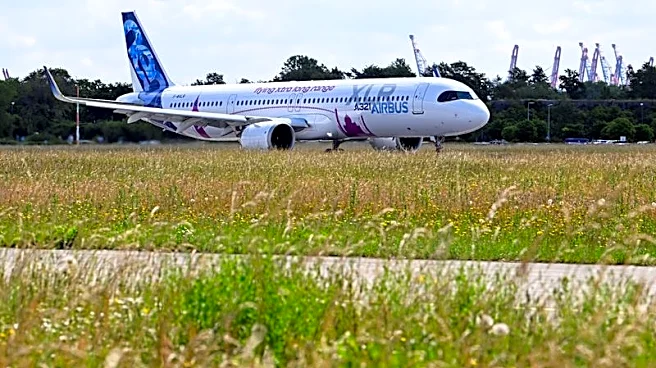
The deployment of the Embraer E195-E2 aircraft is significant for LATAM Airlines as it seeks to strengthen its position in the Brazilian market, which is a key region for the airline. By expanding its network and increasing flight frequencies, LATAM aims to enhance connectivity in smaller markets that currently have limited travel options. This move could potentially increase passenger traffic and revenue for the airline. Additionally, the introduction of new aircraft types like the E2s and the future Airbus A321XLRs and Boeing 787s reflects LATAM's commitment to modernizing its fleet, which could improve operational efficiency and customer experience. The focus on timely delivery of these aircraft is crucial for maintaining the airline's growth trajectory and competitive edge in the South American aviation market.
What's Next?
LATAM Airlines is expected to finalize and announce the new E2 destinations by the end of July. The airline will focus on ensuring the timely delivery of its aircraft on order, including the E2s, A321XLRs, and 787s. The successful integration of these aircraft into LATAM's fleet will be critical for the airline's expansion plans. Additionally, LATAM will need to navigate challenges such as the connection fee in Lima, which could impact the deployment of the A321XLRs from its Lima hub. The airline's ability to adapt to these challenges and execute its fleet strategy will be key to its future success.