
What's Happening?
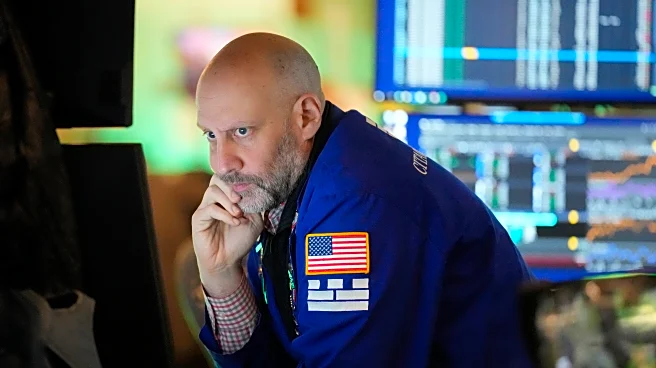
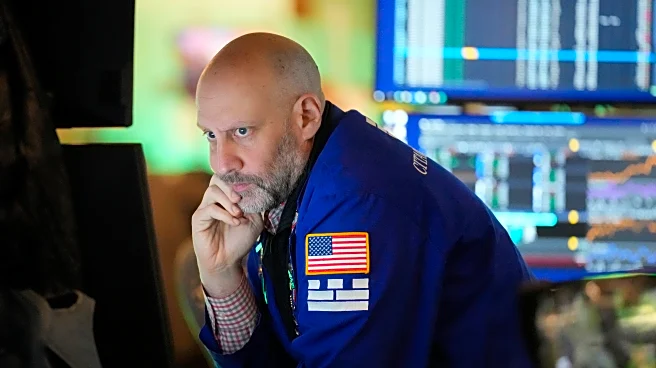
S&P 500 futures experienced a decline on Thursday, with traders reacting to rising oil prices amid ongoing tensions between the U.S. and Iran. Futures tied to the S&P 500 fell by 0.3%, while Nasdaq 100 futures and Dow Jones Industrial Average futures also
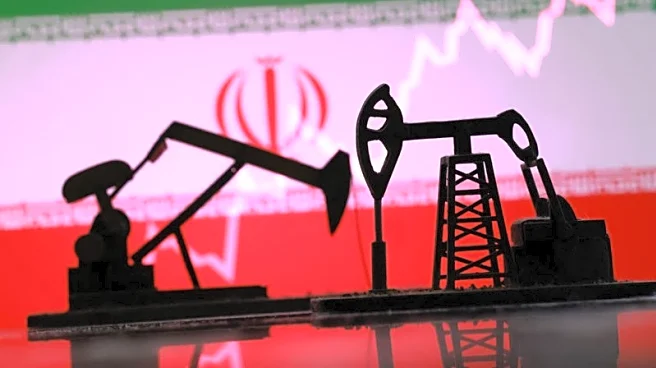
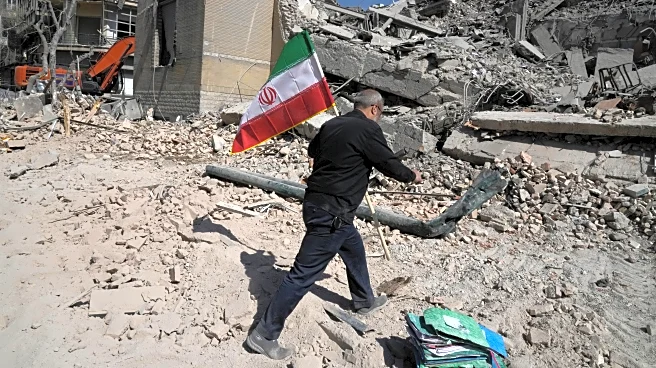
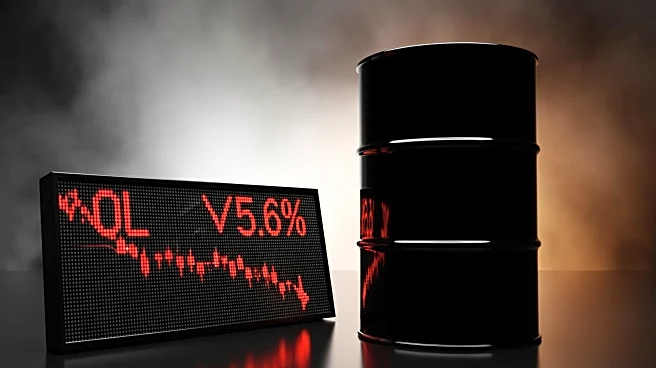
saw declines. The increase in oil prices was notable, with U.S. West Texas Intermediate futures rising by 3% to over $76 per barrel, and Brent crude oil futures increasing by more than 2% to over $83 per barrel. This market movement follows a strong performance in the previous session, where gains in technology and semiconductor stocks helped the Dow end a three-day losing streak. The geopolitical situation has been a significant factor, with President Trump announcing measures to ensure the safe passage of oil tankers through the Strait of Hormuz, a critical chokepoint for global oil supply. Defense Secretary Pete Hegseth stated that the U.S. is making decisive progress in its conflict with Iran, with additional forces being deployed to the region.
Why It's Important?
The fluctuations in the stock market and oil prices highlight the interconnectedness of geopolitical events and economic indicators. The U.S.-Iran conflict has the potential to disrupt oil supplies, which can lead to increased volatility in energy markets and broader economic implications. Rising oil prices can impact various sectors, including transportation and manufacturing, by increasing operational costs. Additionally, the market's response to geopolitical tensions underscores the sensitivity of investor sentiment to international developments. The announcement of a 15% global tariff by President Trump could further influence market dynamics, affecting trade relations and economic growth. Stakeholders in the energy sector, as well as investors in equities, need to monitor these developments closely as they could have significant implications for market stability and economic performance.
What's Next?
The U.S. government's actions to secure the Strait of Hormuz and the implementation of the global tariff will be critical factors to watch. The timeline for ensuring the safety of oil tankers in the region remains uncertain, which could prolong market volatility. Investors and businesses will be assessing the impact of these geopolitical and economic measures on their operations and strategies. The response from international partners and the potential for further escalation in the U.S.-Iran conflict will also be key considerations. Market participants will likely continue to adjust their positions based on the evolving geopolitical landscape and its implications for global trade and energy supply.