

What's Happening?
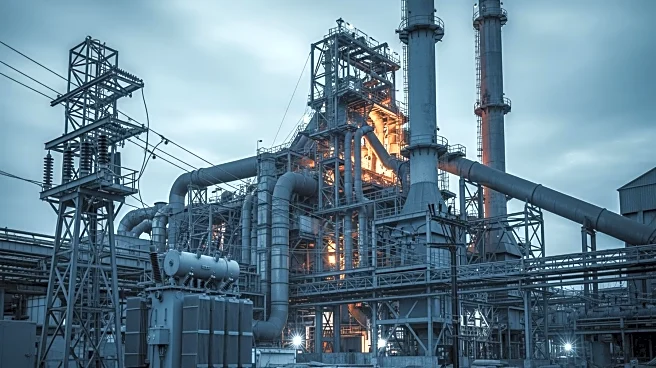
Giyani Metals, a Toronto-listed company, has received an additional R29.9 million from South Africa's Industrial Development Corporation (IDC) for its manganese demonstration plant in Johannesburg. This funding increases the total loan facility to R264.3
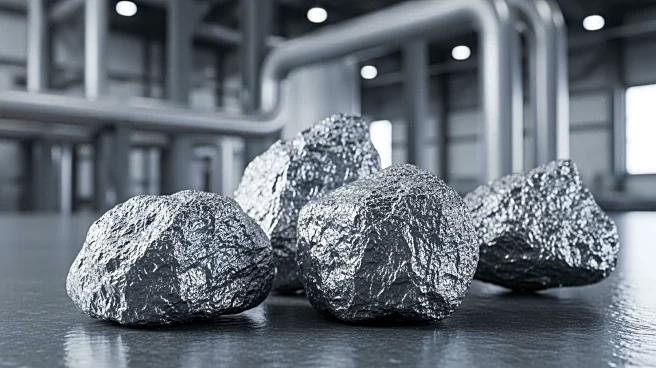
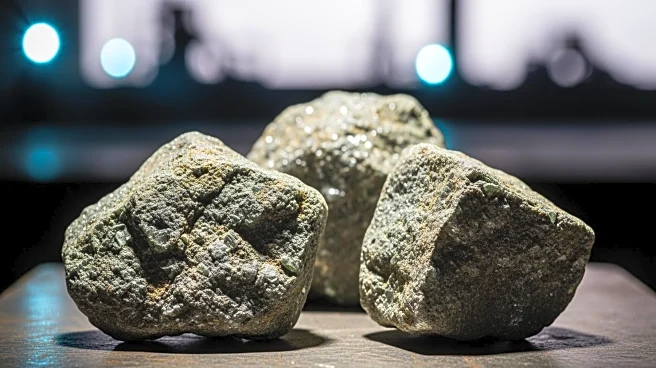
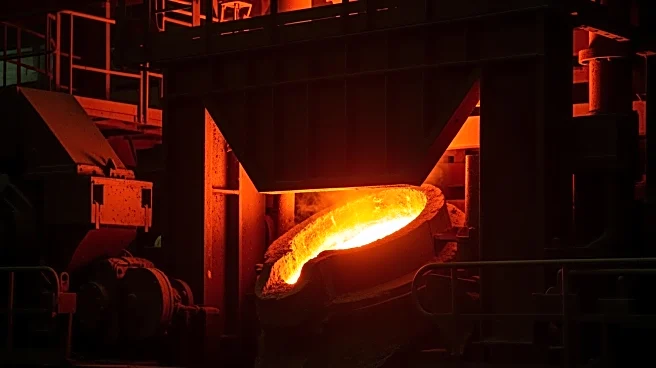
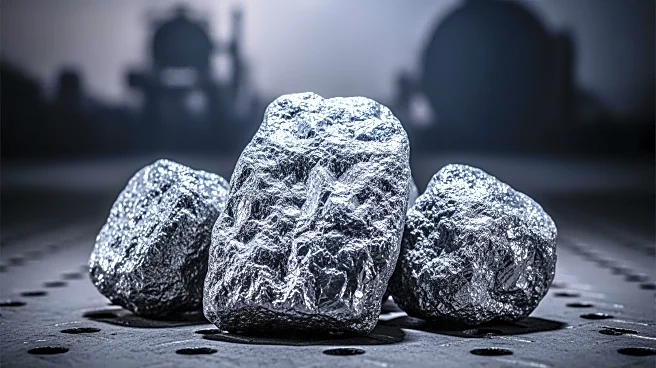
million, with a maximum combined loan facility of R329.9 million. The plant focuses on producing high-purity manganese sulphate monohydrate, a key material for lithium-ion batteries used in electric vehicles and energy storage systems. Although the plant's operation is not set to recommence, the completion deadline has been extended to June 30. The plant's operations have provided valuable data for a definitive feasibility study (DFS), expected to be completed in the second quarter of this year. Giyani aims to become a leading producer of sustainable, low-carbon battery-grade manganese through its hydrometallurgical process.
Why It's Important?
The additional funding from the IDC underscores the strategic importance of the manganese plant in Johannesburg, particularly in the context of the growing demand for electric vehicles and energy storage solutions. High-purity manganese sulphate monohydrate is crucial for the production of cathode powders in lithium-ion batteries, which are essential for the transition to renewable energy and electric mobility. Giyani's project aligns with global efforts to secure sustainable and low-carbon supply chains for battery materials. The success of this project could position Giyani as a key player in the battery materials market, potentially influencing the supply dynamics and pricing of manganese in the industry.
What's Next?
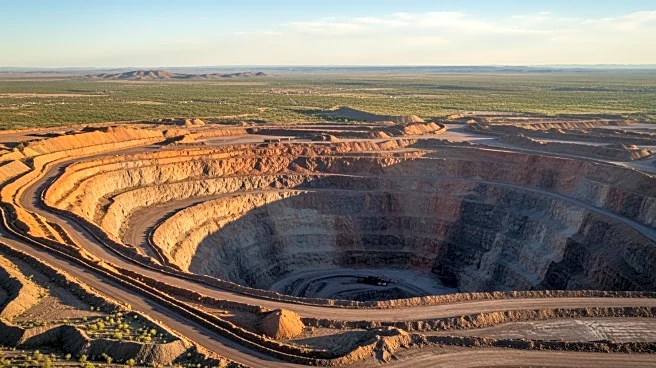
Giyani Metals plans to complete its definitive feasibility study in the coming months, which will incorporate data from the demonstration plant. The company is preparing to analyze the high-purity manganese sulphate monohydrate for potential offtake agreements and project financing discussions. The construction of a commercial-scale plant in Botswana is expected to begin in 2027, with full production anticipated by 2030. The project includes plans for a solar plant to support sustainable operations. Giyani's progress will be closely watched by stakeholders in the battery and electric vehicle industries, as well as by investors interested in sustainable mining projects.
Beyond the Headlines
The development of Giyani's manganese project highlights the broader trend of increasing investment in battery materials and the shift towards sustainable mining practices. The project's focus on low-carbon production methods and renewable energy integration reflects a growing emphasis on environmental responsibility in the mining sector. Additionally, the involvement of South Africa's IDC indicates a strategic interest in supporting industries that contribute to the global energy transition. This project could serve as a model for future collaborations between private companies and government entities in the pursuit of sustainable resource development.