






What's Happening?
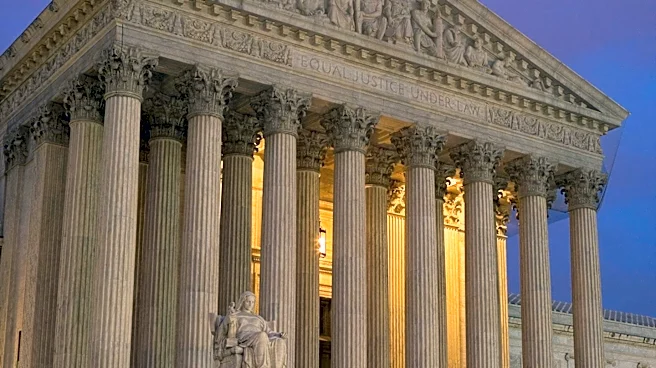
The Supreme Court has ruled in favor of the Trump administration, affirming the Federal Communications Commission's (FCC) authority to enforce data privacy laws on telecommunications companies. The 8-1 decision supports the FCC's imposition of $100 million
in penalties on Verizon and AT&T for failing to protect customer location data. The companies argued that the FCC's process was unconstitutional, but the court upheld the agency's power to order fines while allowing companies to challenge these penalties in court. The decision maintains the FCC's regulatory capabilities, though it also includes a concession that companies are not required to pay fines immediately.
Why It's Important?
This ruling reinforces the FCC's role in regulating telecommunications companies and protecting consumer data privacy. It sets a precedent for how federal agencies can enforce regulations, potentially impacting other sectors beyond telecommunications. The decision is significant for consumer protection advocates who argue for stringent data privacy measures. Conversely, it may encourage companies to challenge regulatory actions in court, potentially leading to more litigation and influencing future regulatory frameworks.
What's Next?
The decision may lead to increased litigation as companies test the boundaries of regulatory authority. The FCC is likely to continue its enforcement actions, potentially leading to further legal challenges. The ruling could also prompt legislative discussions on data privacy and the scope of federal regulatory powers, influencing future policy developments in telecommunications and other industries.