





What's Happening?
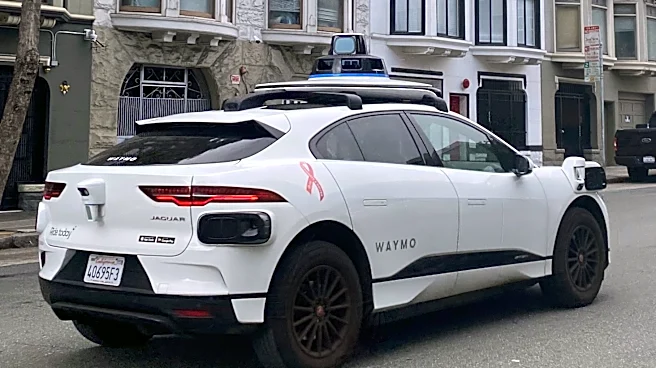
Waymo has begun offering rides in its new Ojai robotaxis to select customers in San Francisco, Los Angeles, and Phoenix, with plans to expand to San Diego, Las Vegas, and Denver by summer. The Ojai model, part of Waymo's strategy to lower manufacturing
costs, is equipped with the sixth-generation Waymo Driver system, enhancing its ability to detect details in low-light conditions. These vehicles, produced by China's Geely, are less expensive to build compared to previous models like the Jaguar I-PACE. Waymo, a division of Alphabet, currently operates 100 Ojai vehicles within its nearly 4,000-car fleet and plans to increase this number significantly by the end of the year.
Why It's Important?
The introduction of the Ojai robotaxis represents a significant step in Waymo's efforts to maintain its competitive edge in the autonomous vehicle market against rivals such as Tesla and Amazon's Zoox. By reducing production costs, Waymo can potentially offer more affordable services, making autonomous transportation more accessible to the public. This move could accelerate the adoption of self-driving technology, influencing urban transportation dynamics and potentially reducing traffic congestion and emissions. The expansion of Waymo's fleet also underscores the growing importance of autonomous vehicles in the future of transportation.
What's Next?
Waymo's expansion into additional cities suggests a strategic push to establish a broader market presence. As the company increases its fleet size, it may face regulatory challenges and public scrutiny regarding safety and operational efficiency. The success of the Ojai model could prompt further innovations in autonomous vehicle technology, potentially influencing regulatory frameworks and public acceptance. Stakeholders, including city planners and transportation authorities, will likely monitor these developments closely to assess the impact on urban mobility and infrastructure.