
What's Happening?
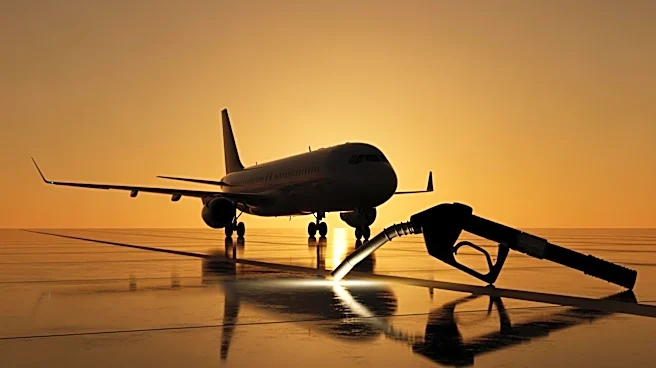
Airline planning officers are pivotal in managing the intricate aspects of air travel, especially during times of economic turmoil. As jet fuel prices spike, many airlines are forced to reduce services,
making the role of the chief planning officer even more significant. These decision-makers oversee the management of flight routes and aircraft allocation, ensuring operational efficiency. The article highlights the challenges faced by flight attendants, who are on the front line of customer service, dealing with unruly passengers and maintaining safety.
Why It's Important?
The role of airline planning officers is critical in maintaining the operational stability of airlines, particularly during economic challenges like rising fuel costs. Their decisions directly impact the availability and pricing of flights, affecting both the airline's profitability and customer satisfaction. Efficient planning can help airlines navigate financial pressures while maintaining service quality. This is crucial for the aviation industry's recovery and growth, as it adapts to changing economic conditions and customer expectations.
What's Next?
As airlines continue to face economic pressures, planning officers will need to develop innovative strategies to optimize routes and manage resources effectively. This may involve exploring new technologies or partnerships to enhance operational efficiency. Airlines will also need to focus on improving customer service and addressing the challenges faced by flight attendants to maintain a positive brand image and customer loyalty.