






What's Happening?
Real Madrid has submitted a detailed legal dossier to UEFA, urging the governing body to strip Barcelona of its historic titles due to alleged corruption linked to the Negreira scandal. The dossier, reportedly 500 pages long, claims systemic corruption influenced
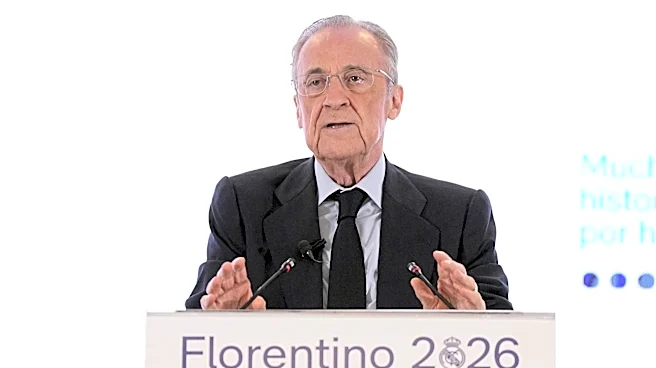
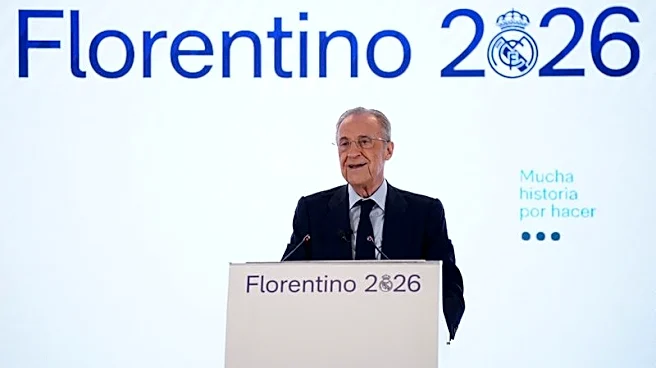
La Liga results over a 20-year period, with Real Madrid asserting that refereeing bias led to significant point losses for the club. UEFA had paused its investigation to allow Spanish judicial processes to proceed, but the submission of Madrid's dossier has brought the issue back to the forefront. The club's president, Florentino Perez, has been vocal about the necessity of this action, declaring the relationship between the two clubs as irreparably damaged.
Why It's Important?
The submission of this dossier by Real Madrid could have significant implications for Spanish football, potentially leading to unprecedented sanctions against Barcelona. If UEFA decides to act on Madrid's request, it could set a precedent for how corruption cases are handled in football, affecting the integrity and historical records of the sport. The move also highlights the ongoing tensions between Spain's two biggest clubs, which could impact their future interactions and the overall dynamics within La Liga. Additionally, the case underscores the importance of transparency and accountability in sports governance, as clubs and governing bodies navigate complex legal and ethical challenges.
What's Next?
UEFA's response to Real Madrid's dossier will be closely watched, as it could determine whether Barcelona faces any sanctions. The governing body has yet to indicate its legal capacity or willingness to strip domestic titles, but the pressure from Madrid may prompt further investigation. Meanwhile, Real Madrid is undergoing a sporting transformation, with the appointment of José Mourinho as manager and new player acquisitions, signaling a more combative stance both on and off the pitch. The outcome of this legal battle could reshape the hierarchy of Spanish football and influence future governance decisions.