






What's Happening?
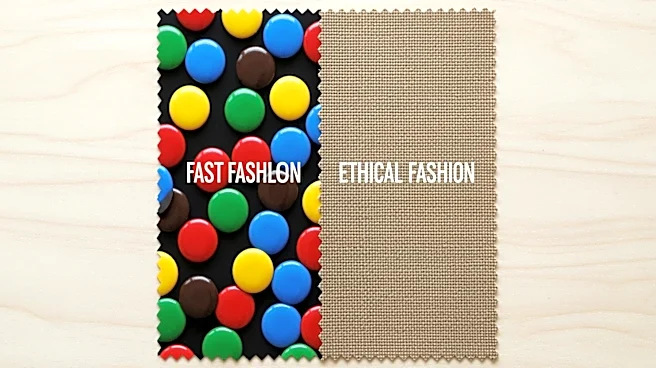
Everlane, a retailer known for its commitment to affordable, ethically sourced, and sustainable clothing, is being acquired by Shein, a major player in the fast-fashion industry. The acquisition was confirmed by Everlane's CEO, Alfred Chang, in a letter
to employees. Founded in 2011, Everlane has been recognized for its transparency in pay, working conditions, and environmental impact. Despite recent controversies regarding worker treatment, the company has maintained its focus on sustainability. The acquisition by Shein, which is seeking to expand beyond fast fashion, comes at a time when Everlane is facing financial challenges, including declining sales and mounting debt. The deal is expected to provide Everlane with the financial stability needed to continue its operations and invest in product innovation and staff, while maintaining its brand independence and sustainability commitments.
Why It's Important?
The acquisition of Everlane by Shein highlights a significant shift in the fashion industry, where sustainability is becoming increasingly important to consumers. This move allows Shein to diversify its portfolio and establish a presence in the eco-friendly market, which is gaining traction as consumers demand more sustainable options. For Everlane, the acquisition provides a lifeline to address its financial difficulties and continue its mission of sustainability. However, the partnership between a fast-fashion giant and a sustainability-focused brand may raise concerns among Everlane's core customers, who may be wary of the association with Shein. The deal underscores the growing pressure on fashion brands to adapt to changing consumer preferences and the challenges of maintaining ethical standards in a competitive market.
What's Next?
Following the acquisition, Everlane is expected to continue operating as an independent brand under the leadership of CEO Alfred Chang. The company plans to leverage the resources and stability provided by Shein to enhance its product offerings and invest in innovation. However, the partnership may require careful navigation to ensure that Everlane's sustainability commitments are upheld and that its customer base remains loyal. As Shein integrates Everlane into its operations, it will be crucial to monitor how the brand's identity and values are preserved. The fashion industry will be watching closely to see how this acquisition influences the strategies of other brands and whether it sets a precedent for future collaborations between fast-fashion and sustainable brands.
Beyond the Headlines
The acquisition of Everlane by Shein raises questions about the ethical implications of such partnerships in the fashion industry. While the deal provides financial stability for Everlane, it also highlights the tension between profit-driven motives and sustainability goals. The association with Shein, known for its fast-fashion model, may challenge Everlane's reputation as a leader in ethical fashion. This development could prompt a broader discussion about the responsibilities of fashion brands to uphold ethical standards and the potential impact of corporate acquisitions on brand identity and consumer trust. As the industry evolves, the balance between sustainability and profitability will remain a critical issue for fashion companies.