




What's Happening?
FIFA's decision to prohibit fans from bringing water bottles into stadiums during the 2026 World Cup has sparked internal and external controversy. According to sources, there has been significant tension within FIFA regarding this policy, with safety
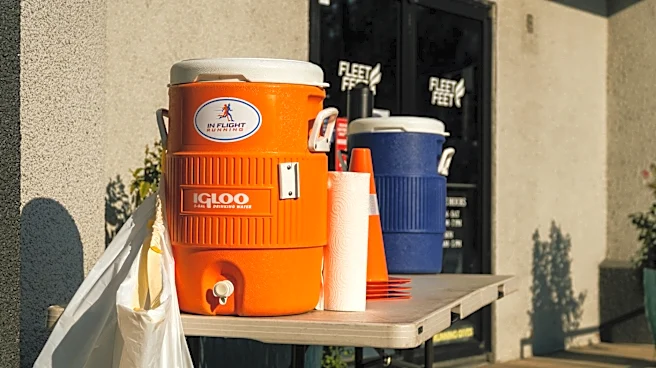
and security teams warning that the ban could exacerbate heat-related risks for spectators. The policy change comes after a previous allowance for empty, transparent bottles, which was seen as a necessary measure for fan safety during the summer tournament. Critics, including Ronan Evain of Football Supporters Europe, have expressed concerns about the health risks posed by the lack of shade in many North American stadiums. The policy has also led to accusations that commercial interests, particularly those of major sponsor Coca-Cola, are influencing FIFA's decisions. Despite these concerns, FIFA plans to implement alternative cooling measures such as misting stations and hydration tents.
Why It's Important?
The decision to ban water bottles at the World Cup has significant implications for fan safety and FIFA's public image. With high temperatures expected during the tournament, the lack of personal water access could lead to health emergencies, potentially straining local medical services. The controversy also highlights the tension between commercial interests and public safety, as FIFA's control over concession revenues and sponsorship deals with companies like Coca-Cola may be perceived as prioritizing profit over fan welfare. This situation could affect FIFA's reputation and its relationships with host cities and sponsors, as well as influence future policy decisions regarding fan safety at major sporting events.
What's Next?
FIFA may face increasing pressure from host cities, fans, and advocacy groups to reconsider or modify the water bottle ban. Toronto Mayor Olivia Chow has already criticized the decision as a 'pure money grab' and called for free water provisions if the ban remains. As the tournament approaches, FIFA will need to address these concerns and demonstrate its commitment to fan safety, potentially by enhancing cooling measures or revisiting the policy. The organization may also need to engage in dialogue with stakeholders to mitigate backlash and ensure a successful event.