




What's Happening?
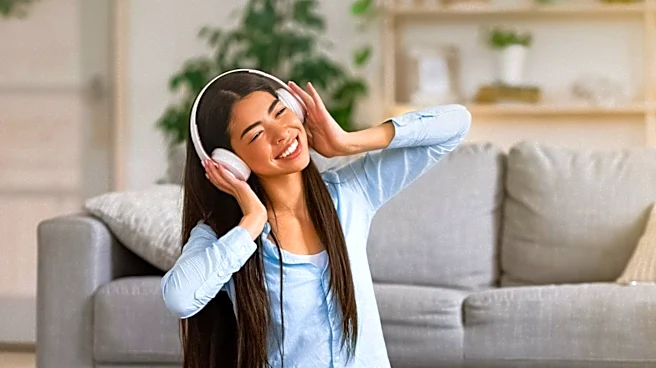
A growing trend among Gen Z involves the use of 'anxiety bags'—portable kits filled with items designed to help manage stress and anxiety. These bags, which have gained popularity through platforms like TikTok, contain various tools such as noise-canceling
headphones, fidget toys, and aromatherapy items. The concept is to provide immediate relief during moments of high stress or panic attacks. According to experts, these bags help by offering sensory distractions that can shift focus away from anxiety-inducing thoughts. The trend is particularly prevalent among young women, with many reporting that these kits have become essential in their daily lives.
Why It's Important?
The rise of anxiety bags highlights the increasing mental health challenges faced by Gen Z, often referred to as the 'anxious generation.' With a significant portion of this demographic experiencing anxiety disorders, these kits offer a practical, immediate solution for managing symptoms. The trend underscores a broader societal shift towards self-care and mental health awareness, encouraging individuals to take proactive steps in managing their well-being. This development could influence mental health practices and the way society addresses anxiety, potentially leading to more personalized and accessible coping strategies.
What's Next?
As the popularity of anxiety bags grows, there may be increased interest from mental health professionals in integrating these tools into therapeutic practices. Additionally, the trend could inspire further innovation in mental health products and services, catering to the specific needs of younger generations. There is also potential for increased dialogue around mental health, reducing stigma and encouraging more people to seek help. The effectiveness of these kits in real-world scenarios may prompt further research into their benefits and limitations.
Beyond the Headlines
The adoption of anxiety bags by Gen Z reflects a cultural shift towards destigmatizing mental health issues and embracing self-care. This trend may also influence how future generations approach mental health, emphasizing the importance of accessible and practical solutions. Moreover, it highlights the role of social media in spreading awareness and fostering community support around mental health challenges. As more individuals share their experiences, there is potential for greater empathy and understanding across different age groups.