



What's Happening?
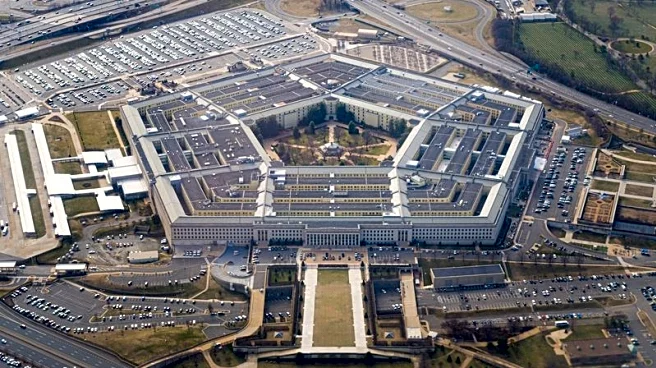
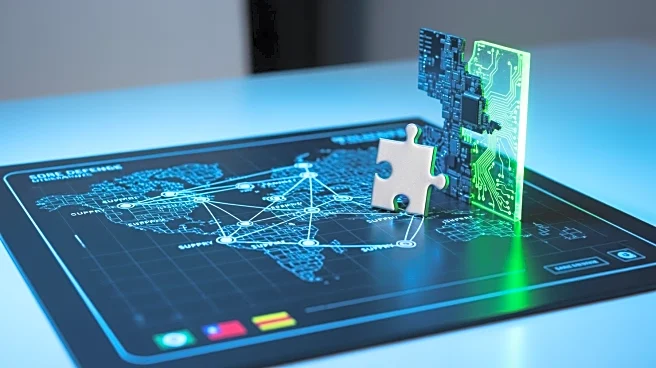
The Pentagon's decision to label Anthropic, a San Francisco-based AI company, as a 'supply chain risk' has ignited a significant debate within Silicon Valley regarding the use of AI in military applications. Anthropic, known for its AI chatbot Claude,
has been blocked from certain government contracts after demanding restrictions on how its technology is used by the military. The Pentagon's move has been met with resistance from tech leaders who argue that AI is not yet suitable for weaponization and that the government's approach is counterproductive. President Trump has criticized Anthropic, calling them 'left-wing nut jobs,' while the company has filed a lawsuit to challenge its designation and the resulting ban. The case is being closely watched as it could influence how tech companies engage with government contracts, especially those related to defense.
Why It's Important?
This conflict highlights the ongoing tension between technological innovation and ethical considerations in the use of AI. The outcome of Anthropic's legal battle could set a precedent for how tech companies negotiate the terms of their involvement in military projects. If the government prevails, it may lead to increased compliance from other tech firms, potentially stifling innovation due to fear of similar sanctions. Conversely, a victory for Anthropic could empower more companies to demand ethical guidelines in their contracts, potentially reshaping the landscape of defense technology. The case also underscores the broader implications for U.S. national security and the global AI race, as it may affect the country's ability to leverage cutting-edge technology in defense.
What's Next?
Anthropic's lawsuit is currently being reviewed in the U.S. District Court in Northern California and the U.S. Court of Appeals for the District of Columbia Circuit. The company seeks to overturn its designation as a supply chain risk and prevent the enforcement of the ban. The tech industry is closely monitoring the case, with major players like Microsoft and Google expressing support for Anthropic. The outcome could influence future collaborations between tech companies and the government, particularly in areas involving sensitive technologies. Additionally, the case may prompt a reevaluation of policies governing the use of AI in military applications, potentially leading to new regulations or guidelines.