
What's Happening?
Gold, traditionally seen as a safe-haven asset, has experienced a decline in value since the onset of the Iran conflict. According to a report from LPL Financial, the metal's price has dropped by 11% since February
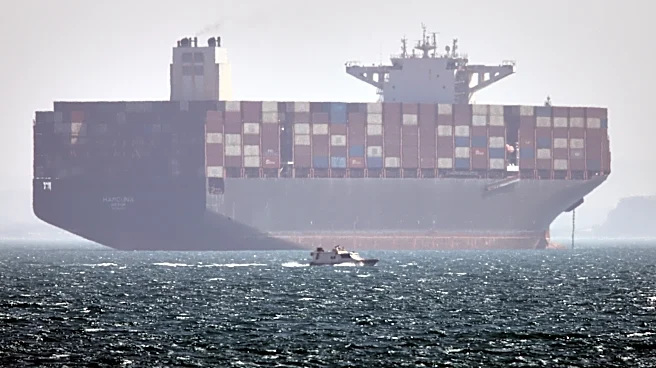
28, challenging its reputation as a refuge during geopolitical instability. The report suggests that gold is currently serving a dual role as both a commodity and a reserve asset, acting as a stand-in for dollars during periods of financial stress. This shift is largely due to dollar funding pressures faced by Persian Gulf states, which have been exacerbated by disruptions in oil exports through the Strait of Hormuz.
Why It's Important?
The decline in gold prices highlights the complex dynamics of global financial markets during geopolitical crises. As governments and central banks prioritize liquidity over traditional stores of value, gold's role as a funding source becomes more prominent. This trend underscores the interconnectedness of global economies and the impact of regional conflicts on financial stability. For investors, understanding these shifts is crucial for navigating market volatility and making informed decisions about asset allocation.
What's Next?
As geopolitical tensions persist, the demand for liquidity is likely to continue influencing gold's market behavior. Governments affected by energy disruptions may focus on stabilizing their economies by rebuilding fuel supplies and replenishing foreign exchange reserves. This could maintain pressure on gold prices in the short term. Investors and policymakers will need to closely monitor these developments to anticipate further market shifts and adjust strategies accordingly.