
What's Happening?
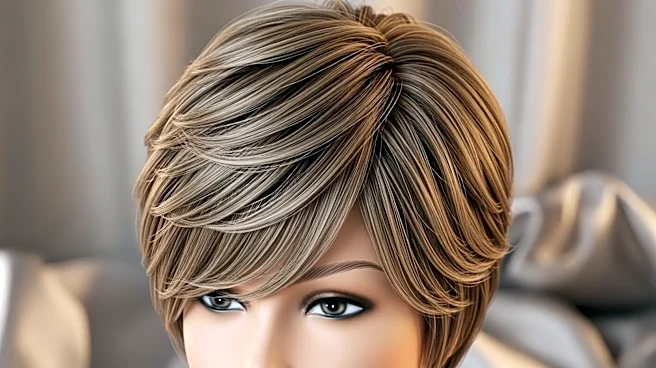
This summer's haircut trends are taking inspiration from past decades, offering a nostalgic journey through iconic styles. The trends include 1950s Hollywood bobs, 1960s long cascading lengths with bangs,
and 1970s bouncy, feathery layers reminiscent of Studio 54. For those who prefer bold styles, the 1980s rock-style glam of a curly wolf cut is making a comeback. Additionally, the effortless 1990s-era model layers and early 2000s bixie cuts are also gaining popularity. These styles are being embraced by individuals looking to express their personal style through a blend of classic and modern influences.
Why It's Important?
The resurgence of vintage haircut trends highlights a broader cultural fascination with nostalgia and the desire to connect with past eras. This trend reflects a shift in beauty standards, where individuality and personal expression are celebrated. The revival of these styles also indicates a cyclical nature in fashion and beauty, where past trends are reimagined to fit contemporary tastes. For the beauty industry, this trend presents opportunities to market products and services that cater to these nostalgic styles, potentially driving sales and customer engagement.
What's Next?
As these vintage-inspired haircut trends continue to gain popularity, salons and hairstylists may see an increase in demand for services that replicate these iconic looks. Beauty brands might also capitalize on this trend by launching products that help achieve these styles, such as styling tools and hair care products designed to enhance volume and texture. Additionally, social media platforms could play a significant role in popularizing these trends, with influencers and beauty enthusiasts sharing their transformations and styling tips.
Beyond the Headlines
The embrace of past haircut trends could lead to a broader appreciation for the craftsmanship and artistry involved in hairstyling. As individuals seek to recreate these iconic looks, there may be a renewed interest in learning about the history and cultural significance of these styles. This trend could also inspire a new generation of hairstylists to innovate and blend traditional techniques with modern aesthetics, contributing to the evolution of the beauty industry.