



What's Happening?
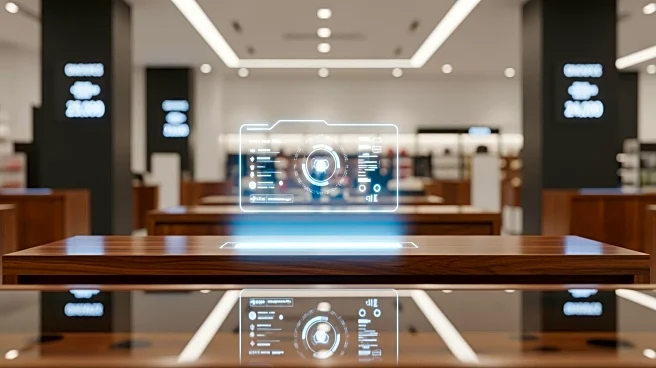
The integration of artificial intelligence (AI) in retail is transforming the in-store shopping experience, despite predictions of a decline in physical retail. Amazon CEO Andy Jassy has suggested that AI will lead to a significant reduction in brick-and-mortar stores, with their share of sales potentially dropping from 85% to as low as 15-20%. However, the current trend shows that AI is enhancing rather than replacing physical retail. In-store sales continue to outpace online sales, with 45% of consumers preferring to shop in-store. AI is being used to create immersive shopping environments, such as Best Buy's store takeovers, which utilize retail media screens to enhance the shopping experience. Retailers are also using AI to provide personalized
offers and recommendations, with companies like Zara and H&M employing AI for virtual try-ons. This suggests that AI is becoming a tool for enhancing the omnichannel shopping experience rather than eliminating physical stores.
Why It's Important?
The integration of AI in retail is significant as it reshapes the shopping experience and challenges the notion that e-commerce will completely replace physical stores. By enhancing in-store experiences, AI helps maintain the relevance of brick-and-mortar locations, which remain a crucial sales channel. This development is important for retailers who are adapting to changing consumer preferences and leveraging technology to create engaging shopping environments. The use of AI in retail also highlights the shift towards an omnichannel approach, where physical and online shopping experiences are seamlessly integrated. This trend has implications for the retail industry, as it requires businesses to invest in technology and data analytics to remain competitive. Additionally, the continued preference for in-store shopping among consumers, including younger generations like Gen Z, underscores the enduring value of physical retail spaces.
What's Next?
As AI continues to be integrated into retail, businesses are likely to focus on creating more personalized and engaging in-store experiences. Retailers may invest in technologies that blend the physical and digital worlds, such as augmented reality and AI-driven customer service tools. The trend towards omnichannel retailing is expected to grow, with companies using AI to optimize the entire shopping journey, from online browsing to in-store purchases. This could lead to further innovations in how products are marketed and sold, as well as changes in store layouts and designs to accommodate new technologies. Retailers will need to balance the efficiency of AI with the experiential aspects of shopping that consumers value. The ongoing evolution of AI in retail will likely influence consumer behavior, business strategies, and the overall landscape of the retail industry.